Gesponsert
GetNewsOut Leaderboard Banner
  • A team becomes unstoppable when you stop trying to be the smartest person in the room — and start being the most empowering.


    My leadership rule: delegate outcomes, not tasks.


    When people understand the “why,” they innovate the “how.”


    Last quarter, I handed full ownership of a project to a team member who had never led one before. Not only did they deliver ahead of schedule — they introduced a process improvement we now use across the department.


    Empowerment isn’t a perk. It’s a strategy.

    #leadership #people #unstoppable #growth
    A team becomes unstoppable when you stop trying to be the smartest person in the room — and start being the most empowering. My leadership rule: delegate outcomes, not tasks. When people understand the “why,” they innovate the “how.” Last quarter, I handed full ownership of a project to a team member who had never led one before. Not only did they deliver ahead of schedule — they introduced a process improvement we now use across the department. Empowerment isn’t a perk. It’s a strategy. #leadership #people #unstoppable #growth
    0 Kommentare 0 Anteile 879 Ansichten
  • Cannabis investing isn't just about participating in a fast-growing industry—it's about recognizing where long-term value is being created. At TheSeattleCannabis Private Equity, we look beyond the headlines and focus on businesses with solid fundamentals, experienced operators, and clear paths to sustainable growth.

    One lesson we've seen repeatedly is that the strongest cannabis companies aren't always the ones growing the fastest. They're the ones that understand compliance, manage cash carefully, build trusted brands, and adapt as regulations evolve. That discipline often creates opportunities that many investors overlook.

    Our investment philosophy is rooted in patience, transparency, and thoughtful capital allocation. We believe the cannabis market is maturing, and with that comes the potential for stronger businesses, industry consolidation, and more sophisticated investment opportunities. Rather than chasing short-term trends, we focus on companies that can create lasting value over multiple years.


    For investors, cannabis offers diversification into a sector that continues to evolve alongside changing consumer preferences and expanding legalization. While every investment carries risk, we believe disciplined underwriting, careful due diligence, and experienced management teams can significantly improve the odds of success.

    At TheSeattleCannabis Private Equity, our goal is simple: partner with exceptional operators, invest responsibly, and build a portfolio designed to generate long-term value while supporting the growth of one of the most dynamic industries in the market.

    Security Type: Equity

    Price Per share: $ 265 One Unit Share

    Minimum Invest: $100K

    Max Funding Goal: $200,000,000

    Investment Bonuses: Early Participation and voting rights.


    Web: TheSeattleCannabis.com

    Email: info@theseattlecannabis.com

    Call: 206-886-0442
    Cannabis investing isn't just about participating in a fast-growing industry—it's about recognizing where long-term value is being created. At TheSeattleCannabis Private Equity, we look beyond the headlines and focus on businesses with solid fundamentals, experienced operators, and clear paths to sustainable growth. One lesson we've seen repeatedly is that the strongest cannabis companies aren't always the ones growing the fastest. They're the ones that understand compliance, manage cash carefully, build trusted brands, and adapt as regulations evolve. That discipline often creates opportunities that many investors overlook. Our investment philosophy is rooted in patience, transparency, and thoughtful capital allocation. We believe the cannabis market is maturing, and with that comes the potential for stronger businesses, industry consolidation, and more sophisticated investment opportunities. Rather than chasing short-term trends, we focus on companies that can create lasting value over multiple years. For investors, cannabis offers diversification into a sector that continues to evolve alongside changing consumer preferences and expanding legalization. While every investment carries risk, we believe disciplined underwriting, careful due diligence, and experienced management teams can significantly improve the odds of success. At TheSeattleCannabis Private Equity, our goal is simple: partner with exceptional operators, invest responsibly, and build a portfolio designed to generate long-term value while supporting the growth of one of the most dynamic industries in the market. Security Type: Equity Price Per share: $ 265 One Unit Share Minimum Invest: $100K Max Funding Goal: $200,000,000 Investment Bonuses: Early Participation and voting rights. Web: TheSeattleCannabis.com Email: info@theseattlecannabis.com Call: 206-886-0442
    0 Kommentare 0 Anteile 2KB Ansichten
  • Perfect information is a luxury. Momentum is a necessity.

    Leaders move forward — even when the path isn’t fully lit.

    #leadership #answers #dicisions #growth
    Perfect information is a luxury. Momentum is a necessity. Leaders move forward — even when the path isn’t fully lit. #leadership #answers #dicisions #growth
    0 Kommentare 0 Anteile 1KB Ansichten
  • Growth isn’t accidental. It’s engineered.
    #leaders #founders #entrepreneur #fisyncapital #startup #equity #fund
    Growth isn’t accidental. It’s engineered. #leaders #founders #entrepreneur #fisyncapital #startup #equity #fund
    0 Kommentare 0 Anteile 1KB Ansichten
  • Molecular Diagnostics Market Research is Expec Smart Insulin Pensg to Accrue Strong Growth in Forecast to 2035
    Roots Analysis recently published a report on the global Molecular Diagnostics Market growth. With a focus on historical trends, current developments, and future projections, it offers a data-rich foundation for decision-makers, industry participants, and investors. The report includes both macro and micro-level insights, enabling readers to grasp key dynamics across segments, regions, and product categories.

    Market Size and Forecast

    Current Market Size:$ 18 Billion

    Future Market Size: $ 31 Billion

    CAGR: 6.4%

    Market Overview

    This growth is calculated based on observed trends, actual industry performance, and current developments in product usage and adoption. The study takes into account the challenges faced by key players and the general market structure, while avoiding speculative interpretations. It focuses on providing a clear picture of market performance across different regions and segments.

    This report supports strategic planning by delivering verified data, cross-segment comparisons, and actionable insights—available in both PDF and spreadsheet formats for ease of integration.

    Market Scope and Segmentation

    - Historical Trend: Since 2018
    - Forecast Period: Till 2035
    - Market Size 2026: $ 18 Billion
    - Market Size 2035: $ 31 Billion
    - CAGR (Till 2035): 6.4%
    - Test Type
    • Laboratory Testing
    • Point-of-Care Testing
    - Type of Offering
    • Reagents
    • Instruments
    • Services
    - Type of Sample
    • Blood, Serum and Plasma
    • Urine
    • Others
    - Type of Technology
    • Polymerase Chain Reaction (PCR)
    • In situ Hybridization
    • Isothermal Nucleic Acid Amplification Technology
    • Next Generation Sequencing
    • Microarrays
    • Mass Spectrometry
    • Others
    - Therapeutic Area
    • Cardiovascular Diseases
    • Genetic Diseases
    • Infectious Diseases
    • Neurological Diseases
    • Oncological Disorders
    • Others
    - End User
    • Hospitals
    • Laboratories
    • Others
    - Geographical Regions
    • North AmericaUSCanada
    • US
    • Canada
    • EuropeAustriaBelgiumGermanyFranceUKItalySpainNetherlandsPolandSwitzerlandRest of the Europe
    • Austria
    • Belgium
    • Germany
    • France
    • UK
    • Italy
    • Spain
    • Netherlands
    • Poland
    • Switzerland
    • Rest of the Europe
    • AsiaChinaJapanIndiaIndonesiaSouth KoreaSingaporeThailandRest of Asia
    • China
    • Japan
    • India
    • Indonesia
    • South Korea
    • Singapore
    • Thailand
    • Rest of Asia
    • Latin AmericaBrazilArgentinaMexicoRest of Latin America
    • Brazil
    • Argentina
    • Mexico
    • Rest of Latin America
    • Middle East and North AfricaEgyptIsraelSaudi ArabiaRest of Middle East and North Africa
    • Egypt
    • Israel
    • Saudi Arabia
    • Rest of Middle East and North Africa
    • Rest of the WorldAustraliaNew Zealand
    • Australia
    • New Zealand
    - Excel Data Packs (Complimentary)
    • Market Landscape
    • Company Competitiveness Analysis
    • Market Forecast and Opportunity Analysis
    - Key Players
    • Abbott Laboratories
    • Agilent Technologies
    • Becton Dickinson
    • BGI Genomics
    • bioMerieux
    • Bio-Rad
    • Danaher
    • DiaSorin
    • Grifols
    • Hologic
    • Illumina
    • Qiagen
    • QuidelOrtho
    • Revvity
    • Roche
    • Sansure
    • Seegene
    • Siemens Healthineers
    • Sysmex
    • Thermo Fisher Scientific
    - PowerPoint Presentation (Complimentary): Available
    - Customization Scope: 15% Free Customization


    Molecular Diagnostics Market Research is Expec Smart Insulin Pensg to Accrue Strong Growth in Forecast to 2035 Roots Analysis recently published a report on the global Molecular Diagnostics Market growth. With a focus on historical trends, current developments, and future projections, it offers a data-rich foundation for decision-makers, industry participants, and investors. The report includes both macro and micro-level insights, enabling readers to grasp key dynamics across segments, regions, and product categories. Market Size and Forecast Current Market Size:$ 18 Billion Future Market Size: $ 31 Billion CAGR: 6.4% Market Overview This growth is calculated based on observed trends, actual industry performance, and current developments in product usage and adoption. The study takes into account the challenges faced by key players and the general market structure, while avoiding speculative interpretations. It focuses on providing a clear picture of market performance across different regions and segments. This report supports strategic planning by delivering verified data, cross-segment comparisons, and actionable insights—available in both PDF and spreadsheet formats for ease of integration. Market Scope and Segmentation - Historical Trend: Since 2018 - Forecast Period: Till 2035 - Market Size 2026: $ 18 Billion - Market Size 2035: $ 31 Billion - CAGR (Till 2035): 6.4% - Test Type • Laboratory Testing • Point-of-Care Testing - Type of Offering • Reagents • Instruments • Services - Type of Sample • Blood, Serum and Plasma • Urine • Others - Type of Technology • Polymerase Chain Reaction (PCR) • In situ Hybridization • Isothermal Nucleic Acid Amplification Technology • Next Generation Sequencing • Microarrays • Mass Spectrometry • Others - Therapeutic Area • Cardiovascular Diseases • Genetic Diseases • Infectious Diseases • Neurological Diseases • Oncological Disorders • Others - End User • Hospitals • Laboratories • Others - Geographical Regions • North AmericaUSCanada • US • Canada • EuropeAustriaBelgiumGermanyFranceUKItalySpainNetherlandsPolandSwitzerlandRest of the Europe • Austria • Belgium • Germany • France • UK • Italy • Spain • Netherlands • Poland • Switzerland • Rest of the Europe • AsiaChinaJapanIndiaIndonesiaSouth KoreaSingaporeThailandRest of Asia • China • Japan • India • Indonesia • South Korea • Singapore • Thailand • Rest of Asia • Latin AmericaBrazilArgentinaMexicoRest of Latin America • Brazil • Argentina • Mexico • Rest of Latin America • Middle East and North AfricaEgyptIsraelSaudi ArabiaRest of Middle East and North Africa • Egypt • Israel • Saudi Arabia • Rest of Middle East and North Africa • Rest of the WorldAustraliaNew Zealand • Australia • New Zealand - Excel Data Packs (Complimentary) • Market Landscape • Company Competitiveness Analysis • Market Forecast and Opportunity Analysis - Key Players • Abbott Laboratories • Agilent Technologies • Becton Dickinson • BGI Genomics • bioMerieux • Bio-Rad • Danaher • DiaSorin • Grifols • Hologic • Illumina • Qiagen • QuidelOrtho • Revvity • Roche • Sansure • Seegene • Siemens Healthineers • Sysmex • Thermo Fisher Scientific - PowerPoint Presentation (Complimentary): Available - Customization Scope: 15% Free Customization
    0 Kommentare 0 Anteile 3KB Ansichten
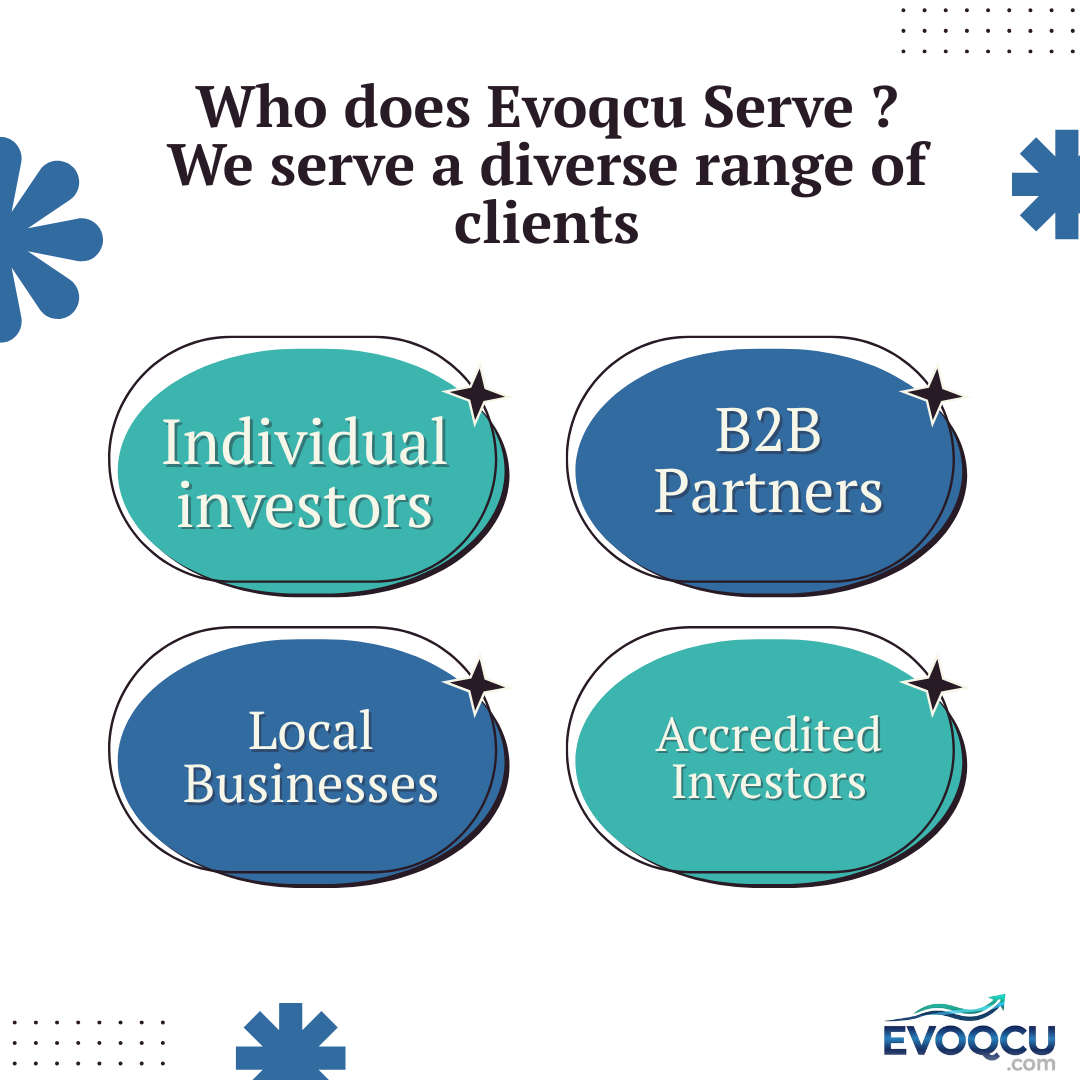
  • Private solutions across automotive assets, private equity, and real asset lending—enabling disciplined growth and long-term capital preservation for individuals and B2B partners. #Individual #business #investors #evoqcu
    Private solutions across automotive assets, private equity, and real asset lending—enabling disciplined growth and long-term capital preservation for individuals and B2B partners. #Individual #business #investors #evoqcu
    0 Kommentare 0 Anteile 4KB Ansichten
  • What is Business Process Outsourcing (BPO)?
    Business Process Outsourcing (BPO) involves contracting specific business functions to third-party service providers. This strategy enables companies to focus on core activities while delegating non-core tasks such as customer service, payroll, IT support, and accounting. BPO providers typically operate in specialized areas, bringing expertise, technology, and economies of scale. By outsourcing, businesses can reduce operational costs, improve service quality, and increase flexibility in managing fluctuating workloads. The BPO industry has grown rapidly due to globalization, technological advancements, and the need for competitive agility. Companies from various sectors, including healthcare, banking, retail, and technology, leverage BPO to gain a strategic advantage. This approach not only streamlines processes but also fosters innovation through access to specialized skills and resources unavailable in-house.

    Types of BPO Services and Their Benefits
    BPO services are broadly classified into front-office and back-office functions. Front-office BPO includes customer-related services like call centers, technical support, and sales, enhancing customer experience and retention. Back-office BPO encompasses tasks such as HR management, finance, and data processing, which improve operational efficiency. Outsourcing these functions reduces labor costs, minimizes overhead, and allows companies to access advanced technology and expertise without significant capital investment. Additionally, BPO provides scalability, enabling businesses to adjust service levels based on demand. The risk-sharing model also mitigates operational risks, as providers typically assume responsibility for performance and compliance. Overall, BPO enhances productivity, accelerates innovation, and allows companies to focus on strategic growth initiatives.

    Key Factors to Consider When Choosing a BPO Provider
    Selecting the right BPO partner is crucial for maximizing benefits and minimizing risks. First, assess the provider’s industry experience and reputation to ensure they understand your business needs. Evaluate their technological capabilities, security protocols, and compliance standards to safeguard sensitive data. Cost-effectiveness is important, but it should not compromise quality; therefore, analyze the value provided relative to price. Communication and cultural compatibility also play vital roles; seamless collaboration depends on shared values and effective communication channels. Additionally, review the provider’s scalability options and support services to accommodate future growth or changes. Establish clear performance metrics and Service Level Agreements (SLAs) to monitor results consistently. A thorough due diligence process ensures a strategic partnership that aligns with your business goals and drives long-term success.

    What is Business Process Outsourcing (BPO)? Business Process Outsourcing (BPO) involves contracting specific business functions to third-party service providers. This strategy enables companies to focus on core activities while delegating non-core tasks such as customer service, payroll, IT support, and accounting. BPO providers typically operate in specialized areas, bringing expertise, technology, and economies of scale. By outsourcing, businesses can reduce operational costs, improve service quality, and increase flexibility in managing fluctuating workloads. The BPO industry has grown rapidly due to globalization, technological advancements, and the need for competitive agility. Companies from various sectors, including healthcare, banking, retail, and technology, leverage BPO to gain a strategic advantage. This approach not only streamlines processes but also fosters innovation through access to specialized skills and resources unavailable in-house. Types of BPO Services and Their Benefits BPO services are broadly classified into front-office and back-office functions. Front-office BPO includes customer-related services like call centers, technical support, and sales, enhancing customer experience and retention. Back-office BPO encompasses tasks such as HR management, finance, and data processing, which improve operational efficiency. Outsourcing these functions reduces labor costs, minimizes overhead, and allows companies to access advanced technology and expertise without significant capital investment. Additionally, BPO provides scalability, enabling businesses to adjust service levels based on demand. The risk-sharing model also mitigates operational risks, as providers typically assume responsibility for performance and compliance. Overall, BPO enhances productivity, accelerates innovation, and allows companies to focus on strategic growth initiatives. Key Factors to Consider When Choosing a BPO Provider Selecting the right BPO partner is crucial for maximizing benefits and minimizing risks. First, assess the provider’s industry experience and reputation to ensure they understand your business needs. Evaluate their technological capabilities, security protocols, and compliance standards to safeguard sensitive data. Cost-effectiveness is important, but it should not compromise quality; therefore, analyze the value provided relative to price. Communication and cultural compatibility also play vital roles; seamless collaboration depends on shared values and effective communication channels. Additionally, review the provider’s scalability options and support services to accommodate future growth or changes. Establish clear performance metrics and Service Level Agreements (SLAs) to monitor results consistently. A thorough due diligence process ensures a strategic partnership that aligns with your business goals and drives long-term success.

    Like
    Yay
    2
    0 Kommentare 0 Anteile 8KB Ansichten
  • Discover how AlignCF.com smart investment model delivers 8–10.5%+ ROI with collaborative equity capital starting as low as $2.01 per unit. Tailored exclusively for independent sponsors, AlignCF Collaborate offers flexible, growth-oriented partnership opportunities in the lower-middle market. With expert sourcing, active monitoring, and strategic rebalancing.
    #capital #nvest #business #asset #growth #aligncf
    Discover how AlignCF.com smart investment model delivers 8–10.5%+ ROI with collaborative equity capital starting as low as $2.01 per unit. Tailored exclusively for independent sponsors, AlignCF Collaborate offers flexible, growth-oriented partnership opportunities in the lower-middle market. With expert sourcing, active monitoring, and strategic rebalancing. #capital #nvest #business #asset #growth #aligncf
    0 Kommentare 0 Anteile 9KB Ansichten 20
Gesponsert

Distinguish with Tailor-Made

Redefining Financial Operations: Real Estate, Hedge Fund, Digital Banking & Private Equity Administrative Software.