


 Seenclassified
 Request Access
Understanding the Serial to Ethernet Adapter: A Key Device for Modern Connectivity
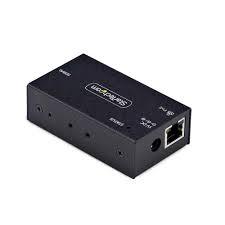
Introduction:
In today’s rapidly advancing technological environment, the need for seamless communication between different types of hardware is greater than ever. Many older or industrial devices still rely on traditional serial ports for data exchange, while modern networks primarily use Ethernet connections. This creates a communication gap that can be challenging to bridge. The solution to this problem is a serial to ethernet adapter, a device that enables serial-based equipment to interact smoothly with network-based systems.
A serial to Ethernet adapter is designed to convert serial data signals into Ethernet signals and vice versa. This makes it an essential device for industries, labs, data centers, automation systems, and businesses that need to integrate legacy serial equipment into modern IP networks.
What Is a Serial to Ethernet Adapter?
A serial to ethernet adapter, often called a device server or serial device server, is a hardware device that connects equipment with RS-232, RS-422, or RS-485 serial interfaces to an Ethernet network. In simple terms, it allows serial-only devices to communicate over LAN or WAN networks just like any network-enabled device.
For example, if you have an industrial machine that transmits data through an RS-232 port, but your monitoring system works through Ethernet, this adapter acts as a translator so both systems can communicate efficiently.
Why Serial Interfaces Are Still Used Today
While Ethernet and USB are widely used in modern devices, serial communication remains popular in many industries due to its durability, reliability, and simplicity. Serial interfaces are commonly found in:
-
Barcode scanners
-
CNC machines
-
Point-of-sale (POS) terminals
-
Programmable Logic Controllers (PLCs)
-
GPS receivers
-
Laboratory instruments
-
Industrial automation systems
These devices often have long operational lifespans, meaning replacing them just to upgrade connectivity can be costly. Using a serial to ethernet adapter provides a cost-effective way to upgrade these legacy systems.
How a Serial to Ethernet Adapter Works
The primary function of the adapter is to convert serial data into TCP/IP packets that can be transmitted over a computer network. Here is the basic process:
-
Serial Device Sends Data
The data begins at the serial-only device. -
Adapter Converts Data
The serial to ethernet adapter translates the data into a network-compatible format. -
Data Travels Over Ethernet Network
The converted data moves through the LAN or WAN, allowing remote monitoring or control. -
Receiving System Interprets the Data
A computer, server, or software system receives the data and processes it.
This allows remote control, remote monitoring, and centralized management of serial devices without needing to physically access them.
Key Benefits of Using a Serial to Ethernet Adapter
1. Remote Access
You can manage devices from anywhere over a network. This saves time, reduces physical visits, and improves efficiency.
2. Cost Efficiency
Instead of replacing entire systems, you can continue using existing serial devices. The adapter extends their lifespan and usefulness.
3. Improved Data Management
Serial devices can now send data to servers, cloud applications, or control centers, supporting better automation and data analysis.
4. Flexibility and Compatibility
Adapters support multiple devices and interfaces, making them suitable for a wide range of applications.
5. Scalability
As your network expands, new devices can easily be added without changing existing infrastructure.
See more: serial to ethernet convertor
Common Applications of Serial to Ethernet Adapters
Industrial Automation
Factories often use older PLCs and sensors. The adapter allows these devices to connect to centralized network control systems.
Healthcare and Laboratories
Medical and lab equipment sometimes uses serial communication. Integrating them into networks helps automate data logging and monitoring.
Retail and Point-of-Sale
Barcode scanners, printers, and payment terminals can connect to modern inventory or billing systems through the adapter.
Security and Access Control
Door controllers, surveillance hardware, and alarms can integrate into digital monitoring systems.
Transportation and GPS Systems
Navigation and telematics equipment with serial output can relay data across networks.
What to Look for When Choosing a Serial to Ethernet Adapter
When purchasing a serial to ethernet adapter, consider the following features:
-
Number of Serial Ports (Single-port or multi-port adapters)
-
Supported Serial Standards (RS-232, RS-422, RS-485)
-
Data Encryption & Security
-
Protocols Support (TCP/IP, HTTP, DHCP, Telnet, etc.)
-
Mounting Options (Desktop, DIN rail, rackmount)
-
Ease of Configuration
-
Temperature and Durability Ratings (especially for industrial use)
Choosing a high-quality adapter ensures reliability and stable performance, especially for mission-critical operations.
Conclusion
The serial to ethernet adapter plays a crucial role in connecting past technologies with present and future network environments. Instead of replacing valuable serial-based equipment, businesses can integrate these devices into modern infrastructure simply and affordably. This allows organizations to maintain efficiency, enhance automation, access valuable data remotely, and extend the lifespan of existing hardware.
Whether you are managing industrial machines, scientific instruments, retail systems, or communication equipment, the serial to ethernet adapter provides a smart and practical solution for bridging communication technology gaps. As industries continue to modernize, this device remains essential for ensuring seamless connectivity and operational continuity.
See more blogs: Visit Here
Invest in Luxury
Access curated opportunities across luxury assets, private markets, and alternative investments designed for long-term value creation and portfolio diversification.
Explore Opportunities
Private Cannabis Investing
The global cannabis market is expected to grow rapidly in the coming years. With this growth, investing with TheSeattleCannabis can be a smart move for those looking to diversify their portfolio. .
View Opportunities Portuguese (Brazil)
 English
 Arabic
 French
 Spanish
 Portuguese
 Deutsch
 Turkish
 Dutch
Dutch
 Italiano
 Russian
 Romaian
 Greek
Greek