


 Seenclassified
 Request Access
How to Safely Vent and Recycle Bluefire Aerosol Cans
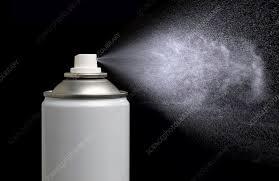
Outdoor cooking and personal care during hikes depend on convenient aerosol products. An Aerosol Can delivers fast sprays for bug protection, sun defense, or cleaning equipment at camp. Over several outings, these cans run empty or reach their expiration date, adding used ones to your gear collection. Dealing with them properly keeps your supplies safe, lowers potential dangers, and follows good outdoor practices once back home.
Even when a can appears finished, some pressure and leftover contents often stay trapped inside. Putting them directly into ordinary trash or abandoning them at camp creates hazards. Compaction in waste can puncture them, or heat in trash areas might cause ignition. The initial action requires releasing any remaining pressure in a secure manner.
Carry the empty can to a clear, open area with plenty of air movement, well away from fire, sparks, or others nearby. Direct the nozzle outward, away from yourself and anyone else. Hold down the button completely until spray and sound cease entirely. Venting generally finishes in a short time. After silence and no further release, shake the can lightly to verify nothing lingers inside.
With venting complete, examine the exterior for dents, heavy rust, or other visible flaws. If the can remains in good shape, it typically suits recycling. Communities usually accept empty aerosol containers through regular pickup or designated drop points for pressurized metal. Detach plastic lids or actuators if they come off without force, placing those in standard recycling or waste. Crush the body gently by hand if storage space runs short during transport.
Cans past their printed date follow the identical venting routine, even with partial contents remaining. The date marks when the maker assures peak function and safety. Beyond that point, ingredients may settle unevenly, effectiveness may fade, or propellant strength could decline. Complete venting outdoors precedes any recycling. Avoid using dated products for meals or skin, as spray quality may falter or irritation could occur.
On the trail, carry out every empty can instead of leaving them buried or burned. This follows minimal-impact guidelines. Vented empties weigh almost nothing, and removing them prevents scattered waste in wild places. Designate a small, separate pouch or pocket in your pack for used cans to isolate them from food and fresh items. This routine maintains order in your kit and prevents mess when repacking later.
Back home, organize the gathered cans for your next recycling collection. Wipe the outside clean of trail dirt if necessary, though rinsing the interior rarely becomes needed post-venting. Most local systems take steel or aluminum Aerosol Cans provided they sit empty and without pressure. Certain locations offer periodic collections specifically for pressurized items. Reviewing area rules confirms the correct method.
When a can resists full venting or displays clear damage, handle it cautiously. Avoid piercing it with sharp objects, as that can trigger abrupt pressure release. Set aside any doubtful cans and deliver them to a designated hazardous waste site where professionals manage them.
Establishing regular practices for used cans streamlines gear upkeep. Review expiration dates while sorting supplies before departures. Employ older cans for less important uses if still within safe periods. This approach minimizes discard and guarantees dependable items for upcoming journeys.
Careful management of empty or expired Aerosol Cans safeguards personal well-being and respects the natural spaces visited. Venting, carrying out, and proper recycling lower risks and limit environmental footprint. These actions blend seamlessly into camp habits and foster lasting outdoor responsibility.
In summary, dealing with empty or expired Aerosol Cans requires safe outdoor venting of pressure, packing them home from camp, and recycling through appropriate channels. This method avoids mishaps, cuts waste, and upholds trail principles. For some canister options to consider, visit https://www.bluefirecans.com/product/ to see available products.
Invest in Luxury
Access curated opportunities across luxury assets, private markets, and alternative investments designed for long-term value creation and portfolio diversification.
Explore Opportunities
Private Cannabis Investing
The global cannabis market is expected to grow rapidly in the coming years. With this growth, investing with TheSeattleCannabis can be a smart move for those looking to diversify their portfolio. .
View Opportunities Italiano
 English
 Arabic
 French
 Spanish
 Portuguese
 Deutsch
 Turkish
 Dutch
Dutch
 Russian
 Romaian
 Portuguese (Brazil)
 Greek
Greek