


 Seenclassified
 Request Access
iPSC Differentiation: Driving the Next Wave of Regenerative Medicine
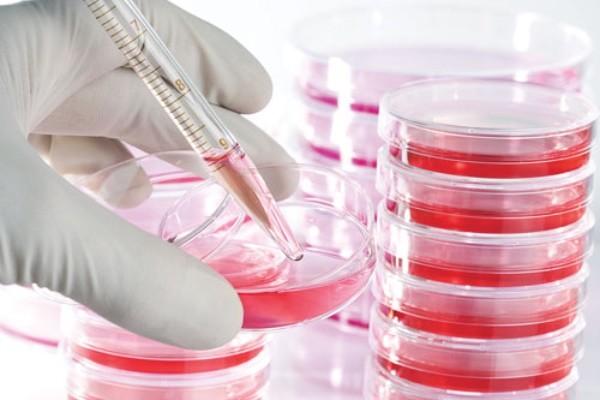
Induced pluripotent stem cells (iPSCs) have deeply affected biomedical research by offering a renewable source of patient‑specific cells. Their ability to differentiate into virtually any cell type makes them a cornerstone of regenerative medicine, disease modeling, and drug discovery. Over the past decade, the field has accelerated, with researchers worldwide exploring how iPSCs can be harnessed to tackle some of the most pressing health challenges.
Current Research Frontiers
Neurodegenerative diseases: Scientists are using iPSC‑derived neurons to study conditions such as Alzheimer’s, Parkinson’s, and ALS. These models allow researchers to observe disease progression in human cells, test candidate drugs, and explore gene‑editing strategies. Recent studies have shown that iPSC‑derived dopaminergic neurons can recapitulate Parkinson’s pathology, offering a powerful platform for therapeutic screening.
Ophthalmology breakthroughs: iPSC‑derived retinal pigment epithelial (RPE) cells are being investigated for age‑related macular degeneration (AMD). Clinical trials in Japan and the U.S. have already transplanted iPSC‑derived RPE sheets into patients, demonstrating safety and potential efficacy. Beyond AMD, photoreceptor and retinal ganglion cell differentiation is opening doors to therapies for inherited blindness. Creative Biolabs has successfully completed numerous iPSC-derived ocular differentiation projects. It is excited that our iPSC-derived cell models have been widely used for proof of concept studies and drug screening for new therapeutics.
Challenges and Opportunities
Despite remarkable progress, iPSC research faces hurdles. Differentiation protocols must be highly reproducible, scalable, and safe for clinical use. Ensuring that differentiated cells are functionally mature and free of tumorigenic potential remains a critical step. Moreover, integrating iPSC‑derived cells into complex tissue environments—such as the brain or retina—requires advanced biomaterials and 3D culture systems.
At the same time, opportunities abound. Organoid technology, which uses iPSCs to create miniature organ‑like structures, is revolutionizing disease modeling. Brain organoids, for instance, are being used to study neurodevelopmental disorders and viral infections. Similarly, retinal organoids provide a platform for drug screening and gene therapy development.
Creative Biolabs offers tailored iPSC differentiation services for neuronal and ocular cells. Their expertise in guiding iPSCs into specific lineages supports researchers who need reliable, validated cell populations for experiments. By providing scalable solutions and technical support, Creative Biolabs is committed to bridging the gap between cutting‑edge science and real‑world applications.
Look ahead
The future of iPSC research will likely continue to expand in several directions. Progress in gene editing, organoid systems, and biomaterials may gradually improve the precision and safety of iPSC‑derived cells. At the same time, researchers are exploring how these cells can be integrated into complex tissue environments, from the retina to the nervous system, to better understand disease and test new therapies.
Invest in Luxury
Access curated opportunities across luxury assets, private markets, and alternative investments designed for long-term value creation and portfolio diversification.
Explore Opportunities
Private Cannabis Investing
The global cannabis market is expected to grow rapidly in the coming years. With this growth, investing with TheSeattleCannabis can be a smart move for those looking to diversify their portfolio. .
View Opportunities Dutch
Dutch
 English
 Arabic
 French
 Spanish
 Portuguese
 Deutsch
 Turkish
 Italiano
 Russian
 Romaian
 Portuguese (Brazil)
 Greek
Greek