


 Seenclassified
 Request Access
Why the Future of GI Research Is Happening Outside the Body
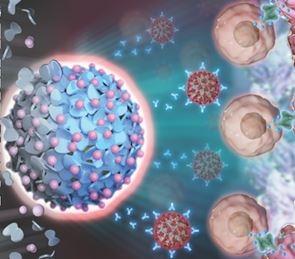
A new kind of gold rush is quietly reshaping drug discovery—and this time, the treasure is not buried in animal facilities or clinical trial databases, but preserved in living human gastrointestinal tissue.
As pharmaceutical pipelines accelerate and regulatory expectations tighten, traditional in vivo models are showing their limits. Animal studies remain costly, time-consuming, and often poor predictors of human gastrointestinal (GI) responses. In response, researchers are turning their attention to a more controlled and physiologically relevant alternative: ex vivo GI tissue models.
"These systems offer something we've been missing for years," one industry scientist noted. "They bridge the gap between simplified cell assays and the complexity of the human gut—without the ethical and logistical burden of animal models."
The Ex Vivo Shift: Why the GI Tract Is at the Center
The gastrointestinal system plays a decisive role in drug absorption, metabolism, and safety. Yet it is also one of the most difficult organs to model accurately. Its layered structure, diverse cell populations, and dynamic signaling environment make conventional in vitro systems inadequate for many research questions.
Ex vivo GI models change that equation. By maintaining native tissue architecture and cellular interactions, these platforms allow researchers to study real-time physiological responses under tightly controlled experimental conditions. In particular, ex vivo colon tissue models have gained attention for their ability to preserve epithelial barriers, mucosal integrity, and functional viability over extended assay windows.
This makes them invaluable for studying permeability, inflammation, and localized drug effects—areas where animal-to-human translation has historically fallen short.
Ion Channels: The Hidden Drivers of Gut Function
One of the most underestimated components of gastrointestinal physiology is ion channel activity. These molecular gatekeepers regulate fluid transport, motility, secretion, and electrical signaling throughout the GI tract. Subtle disruptions can trigger disorders ranging from chronic constipation to inflammatory bowel disease.
Advanced ex vivo healthy GI ion channel models allow scientists to interrogate these mechanisms directly within intact tissue. Instead of inferring ion transport from isolated cells or animal proxies, researchers can now measure functional responses in a human-relevant context.
For drug developers, this capability is particularly powerful. Ion channel liabilities are a leading cause of late-stage failure, and early detection within GI-specific tissue can significantly de-risk development programs.
Metabolism: Where Many Drugs Succeed—or Fail
Beyond absorption and signaling, the gut is a metabolic powerhouse. Enzymatic activity within gastrointestinal tissues contributes to first-pass metabolism, influencing both efficacy and toxicity long before compounds reach systemic circulation.
This is where ex vivo healthy gastrointestinal metabolism models are reshaping decision-making. By retaining native metabolic enzymes and transporters, these systems provide a clearer picture of how compounds are transformed, activated, or deactivated at the earliest stages of exposure.
Rather than relying solely on hepatic models or oversimplified simulations, researchers can now evaluate GI-specific metabolic behavior—often uncovering liabilities that would otherwise remain hidden until clinical trials.
A Perfect Storm Driving Adoption
Several forces are converging to fuel this ex vivo momentum. Regulatory agencies are increasingly supportive of human-relevant alternatives to animal testing. Advances in tissue preservation and culture technologies have extended viability windows. And perhaps most importantly, the cost of late-stage failure has become intolerable in a trillion-dollar pharmaceutical market.
In this environment, ex vivo GI models are not just experimental tools—they are strategic assets. They offer speed without sacrificing complexity, and relevance without ethical compromise.
As one researcher put it, "We're no longer guessing how the gut might respond. We're watching it happen."
The Road Ahead
The rise of ex vivo gastrointestinal models signals a broader shift in how drug discovery is conducted. Instead of forcing biology into simplified systems, the industry is finally allowing biology to speak for itself—on its own terms.
In the race to develop safer, faster, and more effective therapies, the gut may well be the next great frontier.
Invest in Luxury
Access curated opportunities across luxury assets, private markets, and alternative investments designed for long-term value creation and portfolio diversification.
Explore Opportunities
Private Cannabis Investing
The global cannabis market is expected to grow rapidly in the coming years. With this growth, investing with TheSeattleCannabis can be a smart move for those looking to diversify their portfolio. .
View Opportunities Portuguese (Brazil)
 English
 Arabic
 French
 Spanish
 Portuguese
 Deutsch
 Turkish
 Dutch
Dutch
 Italiano
 Russian
 Romaian
 Greek
Greek