


 Seenclassified
 Request Access
Beyond Herbal Extracts: Why Centella asiatica Exosomes Are the Future of Natural Skincare
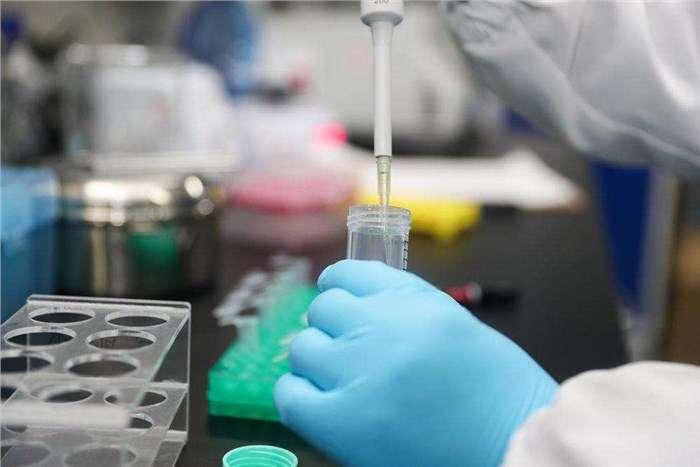
Centella asiatica, also known as Gotu Kola, has been used in traditional medicine for centuries to heal wounds, rejuvenate skin, and calm inflammation. Modern biotechnology is now revealing that its therapeutic power may go far beyond triterpenoids and saponins. Recent studies have identified a new bioactive component within this herb—plant-derived exosomes, nanosized vesicles that transport RNA, proteins, and metabolites capable of modulating cellular processes.
The rise of plant-derived exosomes in dermatological research
Exosomes are extracellular vesicles typically associated with animal and human cells, yet plants also release similar nanoparticles that can cross biological barriers and influence mammalian cells. Compared with synthetic carriers or crude extracts, these natural vesicles offer biocompatibility, stability, and rich biochemical diversity. In skin research, exosomes isolated from medicinal plants have demonstrated promising antioxidant and regenerative effects.
A 2025 study, "Centella asiatica-Derived Extracellular Vesicles Improve Skin Barrier Function and Alleviate UVB-Induced Skin Damage," published in the International Journal of Molecular Sciences, explored Centella asiatica-derived extracellular vesicles (CAEVs) in both cell and animal models. Researchers showed that topical application of these vesicles improved skin barrier recovery and reduced UVB-induced inflammation in mice. The vesicles enhanced collagen synthesis and fibroblast proliferation—two hallmarks of skin repair and anti-photoaging potential.
Complementing these findings, a Cosmetics journal article in 2025 titled "Clinical Efficacy and Safety Evaluation of a Centella asiatica (CICA)-Derived Extracellular Vesicle Formulation for Anti-Aging Skincare" evaluated a CICA-derived exosome formulation in human volunteers. The formulation improved hydration, firmness, and wrinkle depth while exhibiting excellent skin tolerance, suggesting its feasibility in cosmetic applications.
A third study, "Comparative Analysis of the Transcriptome and Efficacy of Bioactive Centella asiatica Exosomes on Skin Cells," available on ResearchGate, offered mechanistic insights through transcriptomic analysis. It revealed that Centella asiatica exosomes influenced over 46 percent more genes in keratinocytes compared with standard extracts, particularly genes involved in oxidative stress, melanin regulation, and epidermal barrier formation. The authors also identified novel plant miRNAs potentially targeting human skin-related pathways, supporting a cross-kingdom regulatory hypothesis.
Together, these studies mark a paradigm shift—from bulk plant extracts to molecularly defined nanovesicles that deliver signals directly to skin cells.
From Research to Application: Technological Exploration of Plant-Derived Exosomes
With the rapid advancement of plant exosome research, scientific institutions and biotechnology platforms are actively developing technologies for the extraction, purification, and characterization of exosomes from medicinal plants such as Centella asiatica. For example, one platform has established a Centella-derived exosome research service that focuses on isolating bioactive exosomes from Centella asiatica for skin cell studies and pharmacological validation.
Meanwhile, a broader medicinal plant-derived exosome research and application service offers comprehensive solutions covering exosome isolation, characterization, molecular cargo analysis, and functional verification. These technologies support the exploration of plant-derived exosomes in regenerative medicine, anti-aging research, and drug delivery. Systematic studies have also begun to reveal the potential bioactivity and skincare benefits of exosomes derived from various plants, such as ginseng and mulberry root bark. Such investigations are paving the way for the development of stable, safe, and scalable exosome-based formulations.
Outlook: The Intersection of Nature and Technology
Although Centella asiatica-derived exosomes have shown promising potential in preclinical and early application studies, several challenges remain—such as the standardization of plant sources, long-term safety verification, and the enhancement of skin penetration efficiency. Moreover, whether plant-derived RNAs can directly modulate human gene expression still requires further experimental validation.
Nevertheless, the convergence of traditional herbal wisdom and modern nanobiotechnology offers an inspiring vision for the future of natural skincare and regenerative medicine. As scientific tools continue to unravel the mechanisms of these microscopic messengers, Centella asiatica exosomes may emerge as one of nature's most sophisticated ingredients for skin regeneration and protection.
Invest in Luxury
Access curated opportunities across luxury assets, private markets, and alternative investments designed for long-term value creation and portfolio diversification.
Explore Opportunities
Private Cannabis Investing
The global cannabis market is expected to grow rapidly in the coming years. With this growth, investing with TheSeattleCannabis can be a smart move for those looking to diversify their portfolio. .
View Opportunities Italiano
 English
 Arabic
 French
 Spanish
 Portuguese
 Deutsch
 Turkish
 Dutch
Dutch
 Russian
 Romaian
 Portuguese (Brazil)
 Greek
Greek