


 Seenclassified
 Request Access
Teaching Liver Cancer Cells to Self-Destruct: A New Frontier in Oncology Research
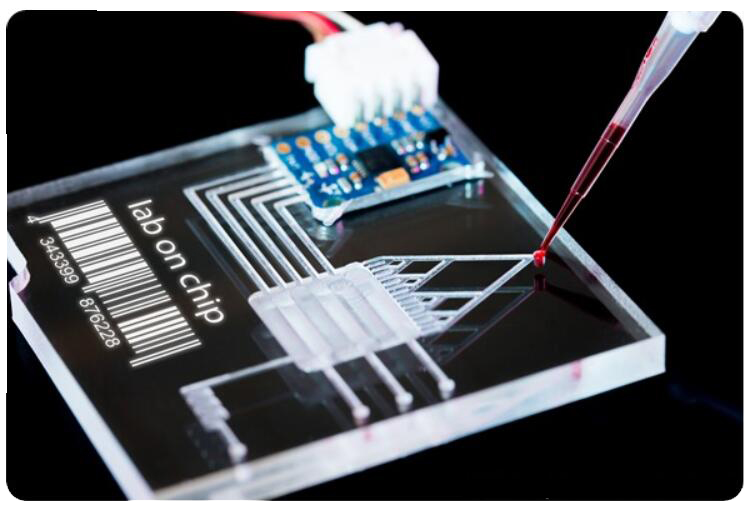
A quiet revolution is unfolding in cancer research laboratories—and it has nothing to do with blockbuster drugs or billion-dollar acquisitions. Instead, it centers on a deceptively simple idea: what if cancer cells could be engineered to destroy themselves on command?
In liver cancer research, this concept of "self-destruction" is rapidly gaining traction. As hepatocellular carcinoma (HCC) remains one of the most lethal cancers worldwide, researchers are under mounting pressure to develop models that move faster, predict better, and translate more reliably into therapeutic outcomes. Traditional in vivo systems are expensive and slow, while conventional cell models often fail to capture complex death signaling. Engineered self-destructing cancer cells are emerging as a compelling middle ground.
A New Paradigm: Engineering Liver Cancer Cells for Controlled Death
At the heart of this shift is the ability to reprogram liver cancer cells with inducible genetic circuits that trigger apoptosis or other programmed cell death pathways under defined conditions. These systems allow researchers to precisely control when and how tumor cells die, enabling direct interrogation of therapeutic mechanisms.
Platforms focused on engineering liver cancer cells for self-destruction offer researchers a structured way to build these models, combining stable gene integration, inducible expression systems, and downstream functional validation. Such approaches are increasingly used to study drug sensitivity, immune-mediated killing, and resistance mechanisms without the variability inherent to animal models.
More importantly, these engineered systems create repeatable, scalable experimental conditions—something translational oncology has long struggled to achieve.
HepG2: The Workhorse Gets Smarter
Among liver cancer cell lines, HepG2 remains one of the most widely used due to its relatively high differentiation status and metabolic competence. But its traditional applications are evolving.
By developing self-destructing HepG2 models, researchers can now go beyond static cytotoxicity assays. Engineered HepG2 cells equipped with inducible death switches allow teams to evaluate how therapeutic agents interact with intrinsic apoptosis pathways, metabolic stress responses, or gene-regulated survival signals.
These models are particularly valuable in early-stage drug screening, where understanding why a compound kills cancer cells can be just as important as whether it does. The ability to fine-tune death induction in HepG2 cells also makes them a powerful benchmark system for comparing candidate therapies head-to-head.
Huh-7: Capturing Aggressiveness and Plasticity
While HepG2 represents stability, Huh-7 reflects the other side of liver cancer biology—plasticity, aggressiveness, and signaling volatility. Originally derived from a well-differentiated hepatocellular carcinoma, Huh-7 cells are widely used to study tumor progression, viral interactions, and therapy resistance.
Engineering self-destructing Huh-7 liver cancer cells opens the door to probing how aggressive tumor phenotypes respond to targeted death signals. These models are especially useful for dissecting pathway-specific vulnerabilities and for testing combination strategies that aim to overcome resistance.
In practice, pairing Huh-7 self-destruction systems with high-throughput screening workflows allows researchers to map survival dependencies that would otherwise remain hidden in conventional assays.
Why Self-Destruction Models Matter Now
The timing of this trend is no coincidence. As immuno-oncology, gene therapy, and precision medicine converge, researchers need experimental systems that can keep pace. Self-destructing liver cancer cell models offer speed, mechanistic clarity, and experimental control—three assets that are increasingly non-negotiable.
Rather than replacing animal studies, these engineered systems are redefining how early discovery and validation are performed. By identifying failures earlier and successes more confidently, they help streamline the long road from hypothesis to clinic.
In the race against liver cancer, teaching tumor cells how to self-destruct may prove to be one of the smartest moves yet.
Invest in Luxury
Access curated opportunities across luxury assets, private markets, and alternative investments designed for long-term value creation and portfolio diversification.
Explore Opportunities
Private Cannabis Investing
The global cannabis market is expected to grow rapidly in the coming years. With this growth, investing with TheSeattleCannabis can be a smart move for those looking to diversify their portfolio. .
View Opportunities Greek
Greek
 English
 Arabic
 French
 Spanish
 Portuguese
 Deutsch
 Turkish
 Dutch
Dutch
 Italiano
 Russian
 Romaian
 Portuguese (Brazil)