


 Seenclassified
 Request Access
Simple Strategies to Lower Your Vehicle Running Costs
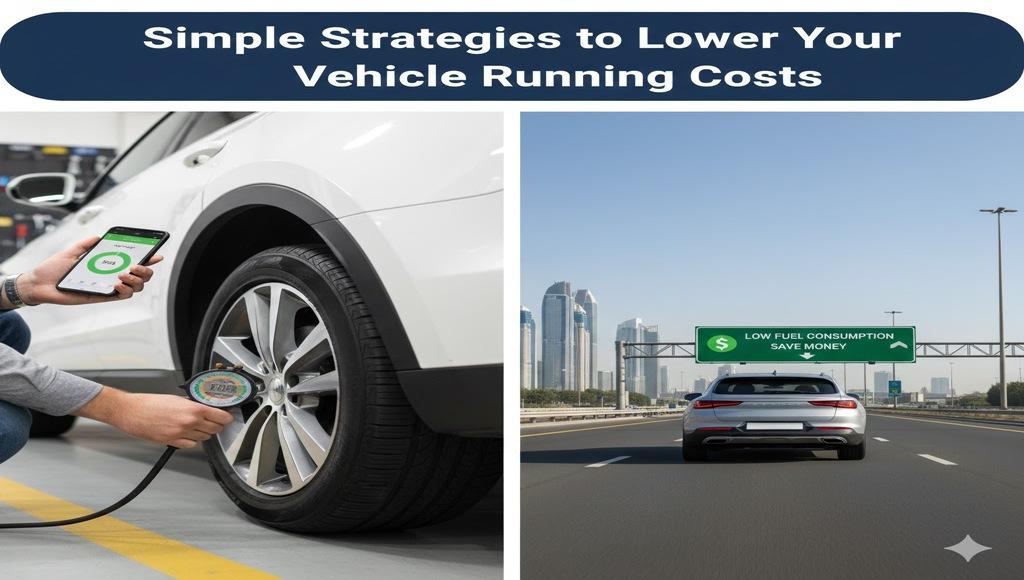
Owning a car in the UAE provides freedom and convenience for daily life. However, the costs associated with driving can accumulate rapidly if not managed well. From fuel to maintenance, every dirham spent impacts your monthly budget.
Fortunately, there are proven ways to lower vehicle running costs without sacrificing reliability. Small changes in how you drive and maintain your car make a big difference. It is about working smarter to protect your investment.
This guide explores practical strategies for every driver in the region. By adopting these habits, you can save significant money over the year. Let us look at how to make your vehicle more economical to run.
Why Vehicle Running Costs Are Rising for UAE Drivers
The cost of living has been a topic of discussion for many residents. Vehicle ownership is a major part of household expenses in the Emirates. Fluctuating fuel prices have made filling up the tank more expensive than before.
Additionally, the driving environment presents unique challenges for machinery. The intense summer heat puts immense stress on mechanical components. This often leads to more frequent repairs if cars are not maintained properly.
Traffic congestion in urban centers like Dubai also plays a role. Sitting in traffic burns fuel without getting you anywhere. These factors combine to push up the daily cost of driving.
The Hidden Costs Drivers Often Overlook
Most drivers focus only on the monthly car payment and insurance premium. However, depreciation is a silent cost that eats away at value. Every kilometre driven reduces what the car is worth.
Wear and tear is another hidden expense that creeps up over time. Ignoring minor sounds or vibrations can lead to major component failure. A small fix today prevents a massive bill tomorrow.
Inefficient driving habits also contribute to these hidden costs. Aggressive acceleration and speeding increase fuel consumption drastically. These are voluntary costs that can be controlled.
Why Smart Cost Control Matters Long Term
Managing your vehicle expenses is effectively a savings plan. Money saved on fuel and repairs can be allocated elsewhere. Over five years, these savings can amount to thousands of dirhams.
Keeping running costs low also implies keeping the car in good condition. A well maintained vehicle is safer and more reliable for your family. It reduces the likelihood of being stranded on a hot highway.
Furthermore, a documented history of care improves resale value. Buyers are willing to pay more for a car that has been looked after. It is a financial benefit that pays off when you sell.
Smarter Driving Habits That Reduce Daily Expenses
The driver has the biggest influence on fuel economy and wear. You do not need to be a mechanic to lower your bills. Simply adjusting your behavior behind the wheel yields immediate results.
Smooth driving is the secret to low running costs. It reduces the mechanical load on the engine and transmission. It also makes for a more comfortable ride for passengers.
Being mindful of your inputs saves money on every trip. Whether commuting to Sharjah or driving to Abu Dhabi, efficiency matters. Here are habits you can adopt today.
Smooth Acceleration and Controlled Braking
Flooring the accelerator dumps fuel into the engine unnecessarily. It provides a surge of power that is often wasted in traffic. Accelerating gently allows the engine to operate in its efficient zone.
Anticipating traffic flow reduces the need for harsh braking. Every time you brake hard, you waste the energy used to build speed. It also wears out brake pads and rotors much faster.
Coast to a stop whenever possible by lifting off the throttle early. This keeps the car moving without burning fuel. It is a simple technique that extends the life of your brakes.
Avoiding Excessive Idling and Short Trips
Idling is a major cause of fuel waste in the UAE. Leaving the car running for the AC while parked consumes significant petrol. It also causes carbon buildup in the engine due to incomplete combustion.
Short trips are particularly damaging to vehicles. The engine oil never reaches optimal operating temperature. This prevents it from lubricating and protecting internal parts effectively.
Combine errands into one longer trip whenever possible. This ensures the engine warms up fully and runs efficiently. It reduces the wear associated with cold starts.
Routine Maintenance That Saves Money Over Time
Many drivers view maintenance as an annoying expense. However, it is actually an investment in cost reduction. Preventive care is always cheaper than emergency repairs.
Regular checks allow you to spot issues before they become disasters. A leaking hose costs little to replace compared to a blown engine. Consistency is key to keeping costs down.
Building a relationship with a trusted garage helps. They can advise you on upcoming maintenance needs. This allows you to budget for services in advance.
Timely Oil Changes and Fluid Checks
Engine oil is the lifeblood of your car. In the UAE heat, oil degrades faster than in cooler climates. Old oil loses its ability to protect the engine from friction.
Changing oil on time prevents sludge buildup and internal damage. Check coolant levels regularly to prevent overheating. Low coolant can lead to catastrophic engine failure in summer.
Transmission fluid and brake fluid should also be checked. Fresh fluids ensure that systems operate efficiently. This reduces the strain on pumps and seals.
Following Manufacturer Service Schedules
Manufacturers design service schedules to maximize vehicle life. Skipping a service might save money now but costs more later. These intervals are calculated based on engineering data.
Stick to the recommended schedule for your specific model. This ensures filters and plugs are changed when needed. A clean air filter alone can improve fuel economy significantly.
Adhering to the schedule also keeps your warranty valid. This can save you huge amounts on major repairs. It is the blueprint for low cost ownership.
Managing Tyre Related Costs More Efficiently
Tyres are one of the most expensive consumable parts of a car. They also have a direct impact on fuel consumption. Rolling resistance determines how much energy is needed to move the car.
Poorly maintained tyres drag on the road and waste fuel. They also wear out unevenly, requiring early replacement. Managing your tyres is a critical part of cost control.
Investing in tyre care pays dividends in safety and savings. Simple checks can extend tyre life by months or years. Here is how to manage this expense.
Correct Tyre Pressure and Wheel Alignment
Underinflated tyres flex more and generate heat. This increases rolling resistance and burns more fuel. It can also lead to dangerous blowouts on the highway.
Check tyre pressure monthly and adjust to the recommended level. You can find this information on the driver door jamb. Correct pressure ensures even wear and optimal grip.
Wheel alignment ensures all four wheels point in the same direction. Misalignment causes tyres to scrub sideways across the road. This destroys tread rapidly and increases fuel usage.
Making Smart Tyre Purchase Decisions
When it comes time to replace tyres, research is vital. You do not always need the most expensive premium brand. Many mid range tyres offer excellent performance and durability.
Many drivers reduce long term expenses by comparing seasonal deals such as tyres offers uae before replacing worn tyres, helping balance quality and cost. Timing your purchase can unlock significant discounts. Retailers often have sales during holidays or seasonal changes.
Look for tyres with high treadwear ratings for longevity. Consider fuel efficiency ratings on tyre labels. A slightly more expensive tyre might save you money on fuel over its life.
Reducing Fuel Expenses Without Changing Your Car
You do not need a hybrid to save on fuel. Existing petrol cars can be driven more efficiently. Small adjustments to your routine can lower consumption.
Aerodynamics plays a huge role at highway speeds. Wind resistance increases exponentially as you drive faster. Reducing drag helps the engine work less.
Planning is another tool for fuel saving. Avoiding traffic jams keeps the car moving efficiently. Here are practical ways to burn less petrol.
Planning Routes and Driving During Off Peak Hours
Navigation apps are excellent for finding the quickest route. Avoiding congested areas saves time and fuel. Stop and start traffic is the enemy of efficiency.
If your schedule allows, drive during off peak hours. Cruising at a steady speed is far more economical than idling. Even a small shift in departure time can help.
Combine trips to avoid backtracking. Plan your route to hit multiple destinations in a logical order. This reduces total distance driven.
Keeping Your Vehicle Lightweight and Efficient
Extra weight kills fuel economy. Many drivers carry unnecessary items in the trunk. Sports gear or tools add weight that the engine must pull.
Clear out your car and keep only the essentials. Remove roof racks when they are not in use. They create significant wind drag on the highway.
Keep the exterior of your car clean. While it sounds minor, dirt disrupts airflow. A smooth, clean car cuts through the air slightly better.
Smart Spending on Repairs and Replacements
Cars will eventually need repairs despite your best efforts. How you handle these repairs affects your wallet. Being an informed consumer prevents overspending.
You do not always need brand new parts for older cars. Knowing when to spend and when to save is a skill. It keeps your car running without draining your bank account.
Repair Versus Replace Decisions
When a part fails, ask if it can be repaired. Sometimes a component can be fixed rather than replaced entirely. This is often true for electrical items like alternators.
If replacement is necessary, consider refurbished parts. These are often genuine parts that have been restored. They offer good reliability at a fraction of the cost.
For older vehicles, used parts from a scrapyard might be an option. This applies to non critical items like trim or mirrors. Always prioritize safety for mechanical parts.
Choosing Reliable Service Centres
Dealerships offer expertise but often at a premium price. Independent garages can provide excellent service for less. Look for workshops that specialize in your car brand.
Check reviews and ask for recommendations. A trustworthy mechanic will not upsell unnecessary services. They will explain what is needed and what can wait.
Get quotes from multiple places for big jobs. Prices can vary significantly for the same work. A little research ensures you get a fair deal.
Long Term Benefits of Cost Conscious Car Ownership
Adopting these strategies changes your relationship with your car. It moves from being a financial burden to a managed asset. The benefits extend far beyond just saving cash.
You gain a sense of control over your finances. You also become a safer and more responsible driver. The positive habits you build last a lifetime.
Improved Reliability and Lower Breakdown Risk
A car that is driven gently and maintained well is reliable. You can trust it to get you to your destination. This reduces stress and anxiety about potential breakdowns.
Reliability is invaluable for families and professionals. It ensures you meet your commitments without disruption. It also avoids the high cost of emergency towing.
Better Resale Value Over Time
When you decide to sell, your efforts pay off. A car with a thick file of service receipts commands a higher price. Buyers can see that the vehicle was loved.
Good cosmetic condition from gentle driving also helps. A clean interior and straight bodywork are attractive. You will get a quicker sale and a better price.
Frequently Asked Questions
What increases vehicle running costs the most?
Fuel waste, delayed maintenance, and aggressive driving habits.
Can regular servicing really save money?
Yes, preventive maintenance avoids costly repairs later.
Do tyres affect fuel consumption?
Yes, worn or underinflated tyres increase rolling resistance.
How often should I service my car in the UAE?
Usually every 10,000 kilometres or as recommended by the manufacturer.
Are small driving changes effective?
Yes, smooth driving can noticeably reduce monthly fuel costs.
Final Thoughts
Lowering your vehicle running costs is a journey of small steps. It does not require drastic lifestyle changes. It is about awareness and consistency.
Start by checking your tyre pressures and clearing out your trunk. Adjust your driving style to be smoother and calmer. Schedule that overdue oil change.
These actions accumulate to create substantial savings. You will enjoy a better driving experience and a healthier bank balance. Take control of your car costs today.
Invest in Luxury
Access curated opportunities across luxury assets, private markets, and alternative investments designed for long-term value creation and portfolio diversification.
Explore Opportunities
Private Cannabis Investing
The global cannabis market is expected to grow rapidly in the coming years. With this growth, investing with TheSeattleCannabis can be a smart move for those looking to diversify their portfolio. .
View Opportunities Dutch
Dutch
 English
 Arabic
 French
 Spanish
 Portuguese
 Deutsch
 Turkish
 Italiano
 Russian
 Romaian
 Portuguese (Brazil)
 Greek
Greek