


 Seenclassified
 Request Access
How Technology Is Changing the Way We Handle Renewable Waste?
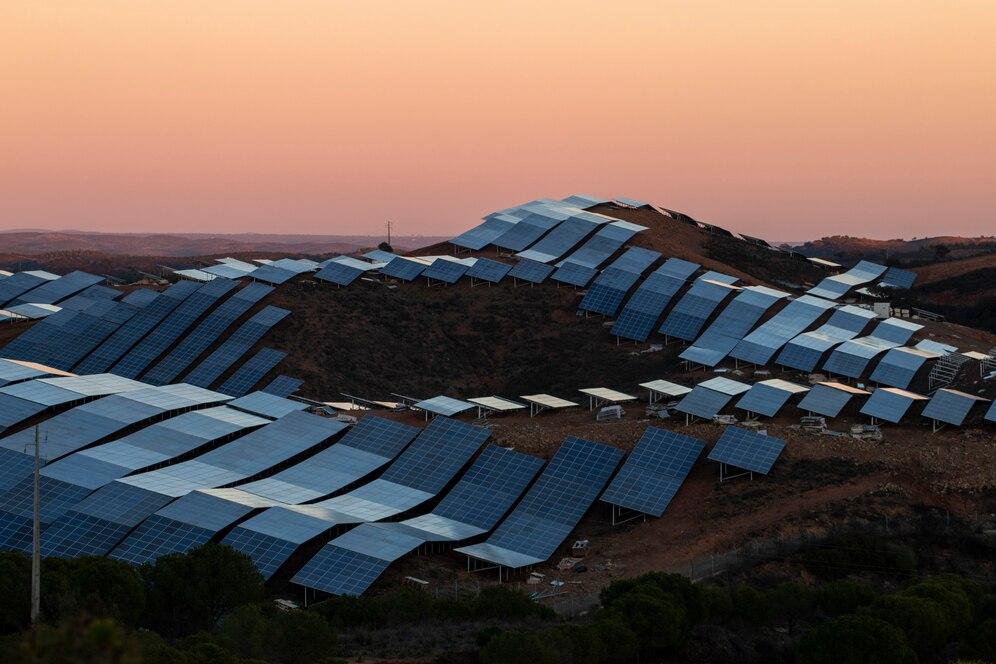
As renewable energy scales up globally, a new question is emerging, how do we deal with the waste left behind by aging panels, batteries, and turbines? Technology is quickly becoming the answer, offering smarter, cleaner, and more efficient ways to manage renewable waste.
With the rapid rise in decommissioned solar panels, the role of a solar waste management company is evolving. These companies are combining automation, artificial intelligence, and material recovery innovations to make renewable energy truly sustainable - from installation to end-of-life.
How Big Is the Renewable Waste Challenge?
Solar, wind, and battery systems have finite lifespans. As they reach the end of their usefulness, waste is beginning to pile up faster than expected.
According to the International Renewable Energy Agency (IRENA), global solar waste could exceed 78 million tonnes by 2050. Wind turbine blades and battery cells add to this growing challenge.
What makes renewable waste complex is its mix of materials - glass, silicon, aluminum, and rare metals that are valuable yet difficult to separate. Without proper systems in place, this waste risks ending up in landfills, eroding the green image of renewable energy itself.
How Are Emerging Technologies Transforming Recycling?
Today’s recycling facilities are becoming smarter, faster, and safer — all thanks to technology.
Here’s how innovation is changing the game:
-
Automated dismantling systems: Robots can now separate panels, glass, and frames far more efficiently than humans, reducing breakage and improving material recovery rates.
-
AI-powered sorting: Artificial intelligence helps identify materials with precision, ensuring that valuable components like copper and silver are reclaimed.
-
Thermal and chemical processing: Modern processes can recover pure silicon and rare metals without toxic byproducts.
-
Blockchain tracking: Some companies are testing blockchain to trace solar components from manufacture to recycling, ensuring transparency and accountability.
Together, these technologies are transforming renewable waste management from a manual, fragmented process into a streamlined, data-driven operation.
Why Is Digital Monitoring Becoming Essential?
Beyond recycling, digital monitoring is playing a huge role in preventing waste in the first place. IoT (Internet of Things) sensors and predictive analytics now help track the health and efficiency of solar and wind systems.
-
Predictive maintenance reduces premature replacements by identifying performance drops early.
-
Smart decommissioning planning uses real-time data to schedule safe, efficient equipment removal.
-
Lifecycle modeling tools allow project developers to forecast waste and recycling costs before construction even begins.
By using digital tools, renewable companies can plan for circularity from day one - not after problems appear.
Can Technology Make Renewable Waste Truly Circular?
The short answer is yes - but it requires collaboration. Governments must set clear recycling regulations, manufacturers need to design for disassembly, and recycling firms must continue innovating.
Advanced technology can make solar and wind systems part of a closed-loop economy, where materials are reused instead of discarded. The payoff is huge: less mining, lower emissions, and a cleaner global footprint.
The Future of Waste-Free Renewables
As renewable energy continues its explosive growth, managing the waste it creates will define the industry’s next chapter. With robotics, AI, and smarter material recovery, technology is proving that even the byproducts of clean energy can be handled cleanly.
In the coming decade, the success of renewables won’t just be measured in megawatts - but in how efficiently we manage every panel, turbine, and battery that powers the world’s transition to sustainability.
Invest in Luxury
Access curated opportunities across luxury assets, private markets, and alternative investments designed for long-term value creation and portfolio diversification.
Explore Opportunities
Private Cannabis Investing
The global cannabis market is expected to grow rapidly in the coming years. With this growth, investing with TheSeattleCannabis can be a smart move for those looking to diversify their portfolio. .
View Opportunities
 English
 Arabic
 Spanish
 Portuguese
 Deutsch
 Turkish
 Dutch
Dutch
 Italiano
 Russian
 Romaian
 Portuguese (Brazil)
 Greek
Greek