


 Seenclassified
 Request Access
Renovating Heritage-Style Homes in Sydney Suburbs: What to Consider
Renovating Heritage-Style Homes in Sydney Suburbs: What to Consider
Renovating a heritage-style home requires a different approach from updating a modern property. Older homes often feature distinctive architectural details, traditional materials and established layouts that contribute to their character. At the same time, modern households expect better functionality, improved storage, efficient services and comfortable living spaces.
The challenge is finding the right balance between preserving the qualities that make an older home special and introducing contemporary improvements where they are genuinely useful. With careful planning, heritage-style properties can be updated without losing the character that gives them their appeal.
Understand the Existing Character
Before planning any renovation, take time to understand the home's existing architecture. Features such as decorative ceilings, timber floors, original windows, fireplaces, architraves, cornices and traditional joinery can influence how new spaces should be designed.
Not every original feature needs to remain untouched, but removing too many distinctive elements can make the finished property feel disconnected from its history.
A good renovation identifies which features are worth preserving and considers how new additions can complement them.
Check Heritage Requirements
The first practical step is determining whether the property is formally heritage-listed or located within a heritage conservation area. Local planning requirements can influence what changes can be made to the building, particularly where external alterations are involved.
Depending on the property and proposed work, approvals may be required for changes to facades, windows, extensions, roof structures or other significant features.
Understanding these requirements before finalising plans can help avoid unnecessary delays and redesigns.
Assess the Existing Structure
Older homes can contain construction methods and materials that differ considerably from contemporary properties. Before starting major work, it is important to understand the condition of the existing structure.
Potential areas for assessment include:
- Foundations
- Roofing
- Timber framing
- Flooring
- Walls and ceilings
- Plumbing
- Electrical systems
- Drainage
- Moisture and dampness
- Previous renovation work
Identifying problems early allows them to be incorporated into the renovation plan rather than discovered unexpectedly during construction.
Modernise Without Removing Character
A heritage-style home does not have to remain completely traditional. Modern functionality can be introduced while retaining important architectural elements.
For example, a contemporary kitchen can be designed around existing timber floors and decorative ceilings. Modern lighting, appliances and storage can be integrated without making the room look completely disconnected from the rest of the property.
The same principle applies to bathrooms. Contemporary fixtures and finishes can be combined with carefully selected details that complement the home's original character.
Renovating Bathrooms in Established Homes
Bathrooms are often among the most outdated spaces in older properties. Small layouts, ageing fixtures, insufficient ventilation and limited storage can make these rooms difficult to use.
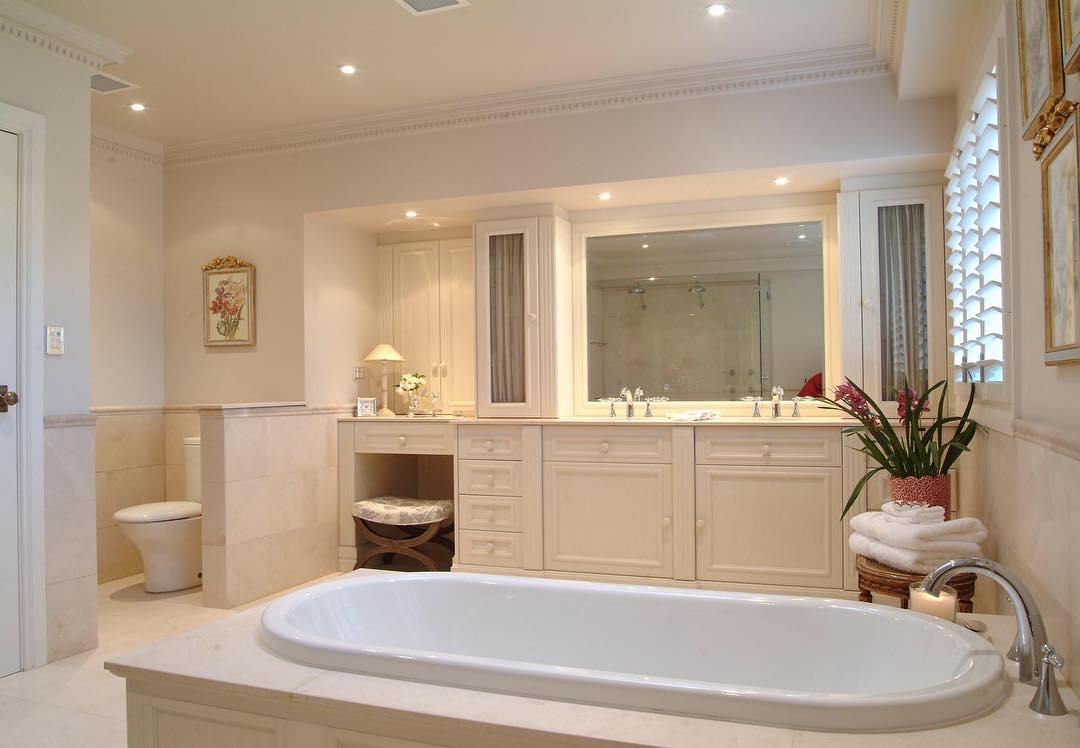
A carefully planned renovation can improve the bathroom while respecting the broader character of the property. For homeowners considering bathroom renovations Castle Hill, the design can focus on improving layout, storage, lighting, ventilation and fixtures while selecting finishes that work harmoniously with the home's style.
Features such as framed mirrors, traditional-style tapware, patterned tiles or warm-toned cabinetry can help bridge the gap between heritage character and contemporary functionality.
Consider the Bathroom Layout Carefully
Older bathrooms may have been designed around different household requirements. Modern families often need more storage, larger showers and better circulation.
However, completely changing the layout may require extensive plumbing alterations, which can increase costs. If the existing plumbing arrangement is reasonably practical, retaining some of the original positions may allow more of the budget to be directed towards quality fixtures, finishes and other improvements.
Where the existing layout is genuinely inefficient, a larger change may still be worthwhile. The decision should be based on long-term functionality rather than simply minimising the initial cost.
Preserve Original Materials Where Possible
Original materials can contribute significantly to the character of an older property. Timber flooring, brickwork, stone, decorative tiles and traditional joinery may be worth restoring rather than replacing.
Where a material cannot be retained, selecting a modern alternative with a similar tone, texture or proportion can help maintain visual continuity.
This approach can create a home that feels updated without appearing overly contemporary.
Modernise Plumbing and Electrical Systems
Behind the visible finishes, older homes may have services that are no longer suitable for modern use. Renovation work can provide an opportunity to upgrade plumbing and electrical systems where necessary.
Additional power points, improved lighting, updated plumbing fixtures and more efficient hot-water systems can all improve everyday functionality.
These upgrades should be planned before walls, floors and ceilings are finished to avoid unnecessary rework later.
Improve Natural Light
Some older homes have rooms that receive limited natural light due to their original layout or window placement. Improving daylight can make renovated interiors feel considerably more spacious and comfortable.
Depending on planning requirements and the home's structure, options may include:
- Skylights
- Highlight windows
- Larger internal openings
- Glazed doors
- Carefully positioned windows
Where external alterations are restricted, internal design choices such as lighter finishes, mirrors and glass screens can help make better use of the existing light.
Introduce Better Storage
Storage requirements have changed considerably compared with those of many older homes. Modern households often need dedicated space for appliances, clothing, cleaning supplies, kitchen equipment and everyday belongings.
Custom cabinetry can provide additional storage while fitting naturally into rooms with unusual dimensions.
Built-in wardrobes, under-stair storage, recessed bathroom shelving and custom kitchen cabinetry can all improve functionality without significantly altering the home's architectural character.
Plan Extensions Carefully
For some heritage-style properties, the existing floor plan may not provide enough space for modern living. An extension can create additional bedrooms, living areas or larger kitchens while allowing the original part of the home to retain its character.
However, the new section should be designed carefully so that it does not overpower the existing architecture.
Good extensions generally consider rooflines, proportions, materials, window placement and the relationship between old and new sections of the property.
Think About Energy Efficiency
Older properties can sometimes be less efficient than contemporary homes due to limited insulation, older windows and outdated heating or cooling systems.
Renovation provides an opportunity to improve thermal comfort through measures such as insulation, efficient glazing, draught reduction and energy-efficient lighting.
These improvements can be particularly valuable when they are incorporated alongside other renovation work rather than added as separate projects later.
Bathroom Remodelling in Older Properties
Bathrooms often require a balance between heritage character and modern expectations. A completely traditional bathroom may not provide the storage, ventilation or functionality required today, while an ultra-modern design can look out of place within a character property.
For homeowners considering bathroom remodelling Epping, combining practical modern layouts with carefully selected materials can create a bathroom that feels appropriate to the home.
The design might include contemporary waterproofing and plumbing systems alongside classic-style fixtures, natural finishes or subtle decorative details.
Select Materials That Work Together
Material selection can determine whether the renovation feels cohesive. Using too many contemporary finishes can make an older home feel visually disconnected, while trying to replicate every original detail can make the renovation unnecessarily restrictive.
A balanced palette might combine:
- Natural timber
- Stone surfaces
- Neutral tiles
- Traditional hardware
- Contemporary cabinetry
- Warm lighting
- Textured finishes
The aim is to create a relationship between the property's original features and its new elements.
Don't Recreate the Past Too Literally
Preserving character does not mean turning the entire property into a historical reproduction. Modern families still need practical kitchens, bathrooms, storage, lighting and comfortable living areas.
Instead of copying every traditional detail, consider which characteristics are most important to retain and where contemporary solutions can improve the home.
This creates a more natural transition between the original architecture and the renovated spaces.
Work With an Experienced Renovation Team
Heritage-style renovations can involve more planning and coordination than standard cosmetic updates. Structural considerations, existing materials, planning requirements and specialist trades may all need to be considered.
Working with experienced renovation professionals can help identify potential issues early and develop a practical approach that respects the property's existing characteristics.
Clear communication between designers, builders and trades is also important when integrating new work with older structures.
Plan for Long-Term Use
A renovation should not only respond to the property's history but also consider how the household will use it in the future.
Durable materials, practical storage, adaptable spaces and efficient services can help ensure that the renovated home remains comfortable and functional for many years.
Rather than focusing exclusively on immediate visual improvements, consider which changes will make everyday living easier.
Final Thoughts
Renovating a heritage-style home in a Sydney suburb is about finding the right balance between preservation and modern living. Original architectural details can provide character and individuality, while carefully planned upgrades can address the practical requirements of a contemporary household.
By assessing the existing structure, understanding heritage requirements, improving layouts, upgrading bathrooms and services, and selecting complementary materials, it is possible to create a home that respects its history while functioning comfortably for modern life.
The strongest renovations do not erase what makes an older property distinctive. Instead, they build upon those qualities and introduce thoughtful improvements that allow the home to continue evolving.
Invest in Luxury
Access curated opportunities across luxury assets, private markets, and alternative investments designed for long-term value creation and portfolio diversification.
Explore Opportunities
Private Cannabis Investing
The global cannabis market is expected to grow rapidly in the coming years. With this growth, investing with TheSeattleCannabis can be a smart move for those looking to diversify their portfolio. .
View Opportunities English
 Arabic
 French
 Spanish
 Portuguese
 Deutsch
 Turkish
 Dutch
Dutch
 Italiano
 Russian
 Romaian
 Portuguese (Brazil)
 Greek
Greek