


 Seenclassified
 Request Access
How Surgeons Decide How Much Fat Is Safe to Remove
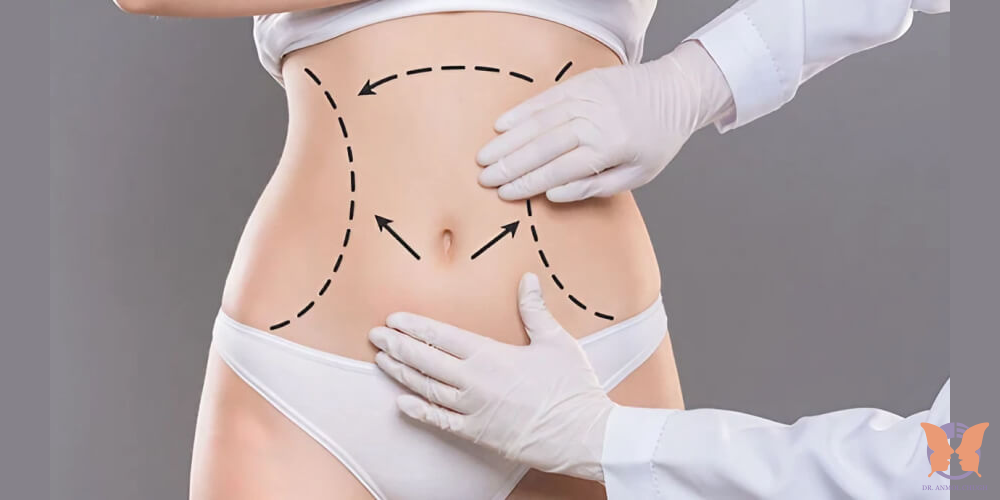
One of the most common questions patients ask before undergoing Liposuction Surgery is, “How much fat can be safely removed?” While liposuction can significantly improve body contours, removing too much fat at once can increase complications and negatively affect recovery. Surgeons rely on careful assessment, experience, and established medical guidelines to determine safe volumes for each patient, ensuring optimal results while prioritizing safety.
Patient Health and Medical History:
Before deciding on the amount of fat to remove, surgeons evaluate the patient’s overall health. Factors such as cardiovascular health, blood pressure, clotting disorders, and chronic conditions influence safety limits. Key considerations include:
-
History of heart disease, diabetes, or lung issues
-
Medications that affect bleeding or healing
-
Past surgeries and recovery experiences
-
Body mass index (BMI) and overall fitness level
A thorough medical review allows surgeons to tailor liposuction plans to minimize risks during and after surgery.
Body Size and Proportion Assessment:
Liposuction safety is also determined by the patient’s body size and fat distribution. Larger patients may tolerate more fat removal than smaller patients, but proportional balance remains crucial. Surgeons evaluate:
-
Total body fat and targeted areas
-
Skin elasticity and thickness
-
Symmetry goals for a natural appearance
-
Potential for uneven contours if too much fat is removed at once
This ensures that results are both aesthetically pleasing and physiologically safe.
Guidelines on Maximum Fat Removal:
Medical guidelines provide benchmarks for safe fat removal. While recommendations may vary slightly by country and surgeon experience, commonly accepted limits include:
-
Generally, 5 liters (approximately 11 pounds) of fat is considered the upper safe limit in a single session for healthy patients
-
Less fat may be removed for patients with smaller frames or pre-existing conditions
-
Surgeons may stage procedures for larger volume reductions to minimize complications
Adhering to these guidelines is critical for reducing risks such as blood loss, fluid imbalance, and extended recovery.
Tumescent Fluid Considerations:
Modern liposuction often uses the tumescent technique, which involves injecting a solution of saline, anesthetic, and epinephrine to reduce bleeding and improve safety. The volume of fluid introduced also affects how much fat can be safely removed. Surgeons take into account:
-
The ratio of fluid to fat for effective extraction
-
Potential for fluid overload if excessive volumes are used
-
Impact on post-operative swelling and recovery
Careful calculation of tumescent fluid is essential for minimizing intraoperative and post-operative risks.
Fat Type and Location:
Not all fat behaves the same during liposuction. Subcutaneous fat responds differently than dense or fibrous fat, which may be more difficult to remove. Additionally, the location of fat influences safety decisions. Factors include:
-
Abdomen and flanks often allow larger volume removal safely
-
Upper arms, inner thighs, and knees have smaller deposits requiring more conservative extraction
-
Fibrous fat areas, such as the back or male chest, require precision and may limit overall volume
Understanding these distinctions helps surgeons avoid over-removal and maintain contour quality.
Recovery and Complication Risk Assessment:
The amount of fat removed is closely linked to recovery and potential complications. Surgeons consider:
-
How much swelling and bruising the body can handle safely
-
Risk of fluid imbalance or electrolyte disturbances
-
Potential for post-operative fatigue and discomfort
-
Ability of the patient to perform post-surgical mobility exercises safely
Limiting fat removal to safe thresholds helps ensure a smoother recovery and reduces the likelihood of serious complications.
Patient Goals and Expectations:
While safety is paramount, patient goals also guide the decision on fat volume. Surgeons balance realistic aesthetic outcomes with medical limitations. Important considerations include:
-
Targeted problem areas versus overall weight reduction
-
Desire for subtle refinement versus dramatic change
-
Understanding that liposuction is not a substitute for weight loss
-
Communicating realistic expectations to avoid dissatisfaction
By aligning goals with safe fat removal limits, surgeons maximize satisfaction without compromising safety.
Staged Procedures for Larger Volumes:
For patients who require substantial contouring, surgeons may recommend staged liposuction sessions. This approach spreads fat removal over multiple procedures, reducing risk while achieving desired results. Benefits include:
-
Lower risk of blood loss or fluid imbalance
-
Reduced surgical stress on the body
-
Improved ability for skin to retract gradually
-
Better overall aesthetic outcome through controlled, precise sculpting
Staging procedures is a common safety strategy for patients seeking significant body contour changes.
Surgeon Expertise and Technique Selection:
The surgeon’s experience and choice of technique play a critical role in determining safe fat removal. Experienced surgeons understand:
-
How to adjust cannula size and suction pressure for each patient
-
How to navigate different body areas safely
-
When to combine techniques, such as laser or ultrasound-assisted liposuction, to improve precision
-
How to recognize intraoperative limits and adjust the procedure accordingly
Expertise ensures that fat is removed efficiently without exceeding safe physiological thresholds.
Ongoing Monitoring and Post-Operative Care:
Even after surgery, monitoring continues to ensure that fat removal remains safe. Surgeons advise:
-
Following post-operative instructions carefully
-
Wearing compression garments to reduce swelling
-
Staying hydrated and maintaining balanced nutrition
-
Attending follow-up appointments to detect early complications
Proper post-operative care reinforces the safety measures taken during surgery and supports optimal recovery.
Final Thoughts:
Liposuction Surgery is highly effective for reshaping the body, but safety depends on carefully determining how much fat can be removed. Surgeons consider patient health, body proportions, fat type, recovery potential, and aesthetic goals when planning treatment. By adhering to medical guidelines, using modern techniques, and prioritizing individualized care, surgeons can achieve beautiful, natural results while minimizing risks and ensuring a safe, successful liposuction experience.
Invest in Luxury
Access curated opportunities across luxury assets, private markets, and alternative investments designed for long-term value creation and portfolio diversification.
Explore Opportunities
Private Cannabis Investing
The global cannabis market is expected to grow rapidly in the coming years. With this growth, investing with TheSeattleCannabis can be a smart move for those looking to diversify their portfolio. .
View Opportunities
 English
 Arabic
 Spanish
 Portuguese
 Deutsch
 Turkish
 Dutch
Dutch
 Italiano
 Russian
 Romaian
 Portuguese (Brazil)
 Greek
Greek