


 Seenclassified
 Request Access
"Mini-Brains" Lead the Way: 3D Brain Organoids Revolutionize Alzheimer's Research
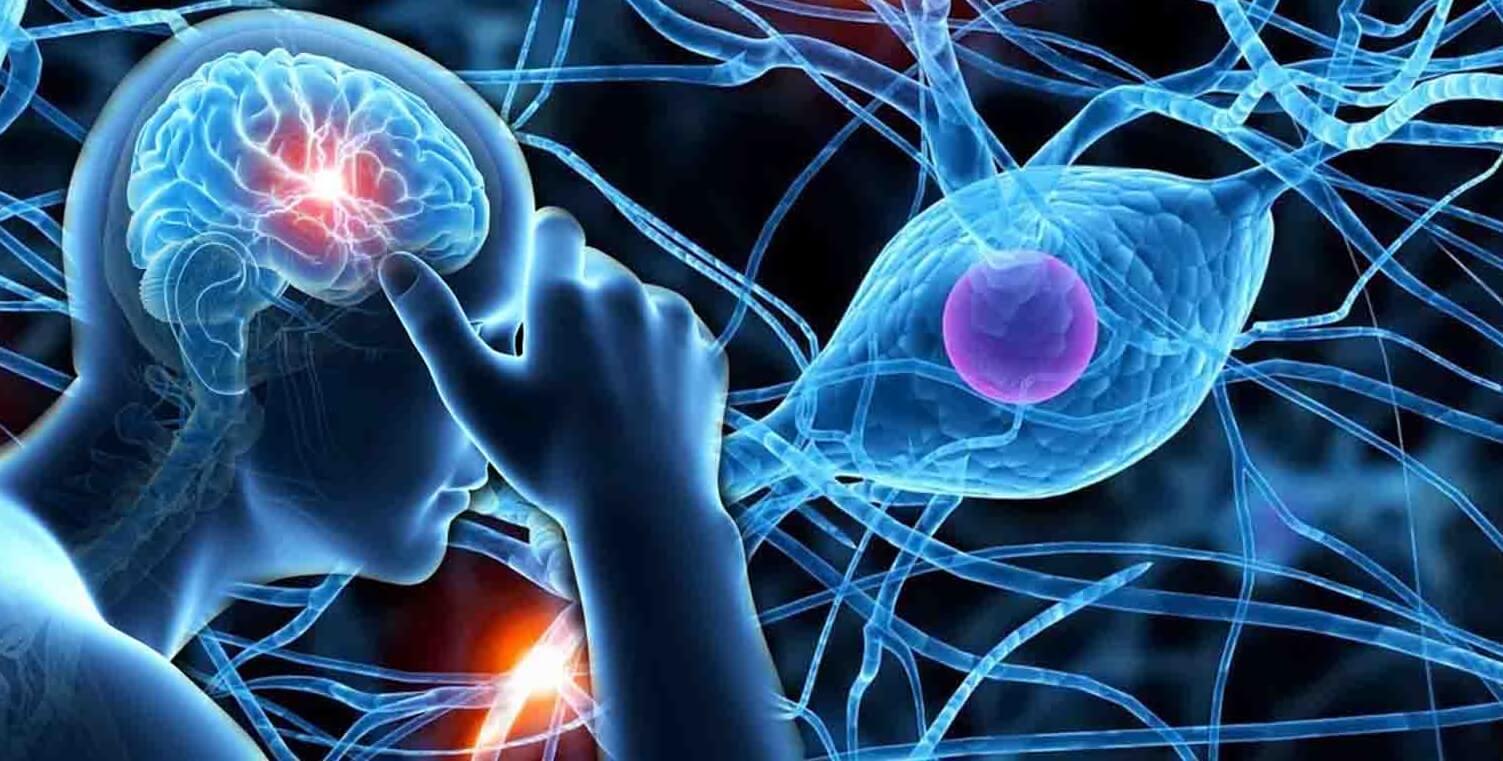
Neurodegenerative diseases, characterized by the progressive loss of structure or function of neurons, including death of neurons, have become a significant global health concern. Conditions such as Alzheimer's disease (AD), Parkinson's disease (PD), and amyotrophic lateral sclerosis (ALS) not only diminish the quality of life for millions but also pose substantial economic burdens on healthcare systems worldwide. Understanding the pathogenesis of these diseases is crucial for developing effective therapies. Recent advancements in human induced pluripotent stem cell (iPSC)-derived neuronal cell culture models and transgenic cell line models have revolutionized neurodegenerative disease research, offering promising avenues for modeling disease mechanisms and testing therapeutic interventions.
Human iPSC-Derived Neuronal Cell Culture Models
Human iPSCs are generated by reprogramming somatic cells to a pluripotent state, allowing them to differentiate into various cell types, including neurons. iPSC-derived neuronal cultures provide a physiologically relevant system that closely mimics the human nervous system's cellular and molecular characteristics. These models overcome the limitations of traditional animal models, such as species-specific differences, and primary neuronal cultures, which are challenging to obtain from patients.
In recent news, a study published in Nature Neuroscience in September 2023 demonstrated the use of iPSC-derived neurons to model frontotemporal dementia (FTD). Researchers identified novel molecular mechanisms underlying FTD by observing neuronal dysfunctions in cells harboring mutations in the GRN gene. This breakthrough underscores the potential of iPSC models in uncovering disease mechanisms that can lead to targeted therapies.
Creative Biolabs utilizes advanced iPSC technology to generate customized differentiated neuronal subtypes for research needs. Their expertise includes producing specialized neurons—cortical, motor, GABAergic, glutamatergic—and glial cells like microglia, astrocytes, and oligodendrocytes, thereby accelerating neurological research and drug discovery.
Transgenic Cell Line Models
Transgenic cell lines are genetically modified to express or suppress specific genes associated with neurodegenerative diseases. These models are invaluable for elucidating gene function, understanding disease mechanisms, and screening potential therapeutics. By introducing mutations linked to neurodegenerative conditions, scientists can observe the resultant cellular changes and identify key pathological processes.
Creative Biolabs has established a novel platform to generate various transgenic cell line models to serve global customers.
Neurodegenerative Disease Modeling Using Advanced Cellular Systems
Combining iPSC-derived neuronal cells with transgenic technologies has further enhanced neurodegenerative disease modeling. Researchers can introduce specific genetic mutations into iPSC lines, creating isogenic pairs that differ only at the mutation of interest. This approach allows for precise studies on the effect of genetic variations on neuronal function.
Advanced disease models have been developed to study the interactions between different cell types in the nervous system. Co-culture systems involving neurons and glial cells derived from iPSCs enable the investigation of neuroinflammatory processes, which are increasingly recognized as significant contributors to neurodegeneration.
Moreover, three-dimensional (3D) organoid models, or "mini-brains," have emerged as a cutting-edge platform. These complex structures better replicate the organization and functionality of the human brain compared to traditional two-dimensional cultures. In a groundbreaking study reported in Science in August 2023, researchers used brain organoids derived from iPSCs to model early-onset AD. They observed amyloid plaque formation and tau protein hyperphosphorylation, providing a more comprehensive understanding of disease progression.
Recent collaborations between biotech companies and research institutions have accelerated the translation of these models into clinical applications. For instance, in September 2023, Creative Biolabs launched an integrated platform combining their expertise in iPSC technology and transgenic model development to provide comprehensive solutions for neurodegenerative disease research.
Invest in Luxury
Access curated opportunities across luxury assets, private markets, and alternative investments designed for long-term value creation and portfolio diversification.
Explore Opportunities
Private Cannabis Investing
The global cannabis market is expected to grow rapidly in the coming years. With this growth, investing with TheSeattleCannabis can be a smart move for those looking to diversify their portfolio. .
View Opportunities
 English
 French
 Spanish
 Portuguese
 Deutsch
 Turkish
 Dutch
Dutch
 Italiano
 Russian
 Romaian
 Portuguese (Brazil)
 Greek
Greek