Acne and acne scars are common skin concerns that affect people of all ages, often impacting confidence and overall skin health. While over-the-counter treatments may provide temporary relief, more persistent acne and scarring require professional intervention. One of the most effective solutions recommended by dermatologists is chemical peels. In Riyadh, many patients are turning to Chemical Peels Riyadh to improve skin texture, reduce breakouts, and fade scars. Understanding how chemical peels work, their benefits, and the proper care involved can help patients make informed decisions about treating acne and scarring effectively.
How Chemical Peels Work for Acne:
Chemical peels target acne by exfoliating the skin and removing dead cells that clog pores. Dermatologists explain:
-
Salicylic acid peels penetrate oily pores to reduce blockages and inflammation
-
Glycolic and lactic acid peels promote gentle exfoliation, preventing new breakouts
-
Regular treatments can decrease excess sebum production and reduce bacterial buildup
By addressing the underlying causes of acne, chemical peels help control flare-ups and improve skin clarity over time.
Targeting Acne Scars with Peels:
Acne scars, whether shallow or deep, can benefit from chemical peel treatments. Key points include:
-
Superficial peels smooth minor post-acne discoloration and uneven texture
-
Medium peels stimulate collagen production to reduce the depth of indented scars
-
Repeated sessions gradually fade hyperpigmentation and improve overall skin tone
By combining exfoliation with skin regeneration, chemical peels reduce the appearance of scars and promote healthier skin.
Types of Chemical Peels for Acne and Scarring:
Dermatologists offer different peel types depending on severity and skin sensitivity. Common options include:
-
Superficial Peels: Mild acids like glycolic, lactic, or salicylic acid for gentle exfoliation and prevention of new breakouts
-
Medium Peels: Trichloroacetic acid (TCA) for deeper pigmentation issues and moderate scarring
-
Specialty Peels: Jessner’s peel for acne-prone skin and combined peels for customized treatments
Selecting the appropriate peel ensures optimal results while minimizing irritation and downtime.
Preparing Your Skin for a Chemical Peel:
Preparation is essential to ensure safe and effective treatment. Dermatologists advise:
-
Avoiding sun exposure and using broad-spectrum sunscreen in the weeks prior
-
Discontinuing strong exfoliants or retinoid products before the procedure
-
Consulting a professional to assess skin type, acne severity, and scarring depth
Proper preparation enhances the peel’s efficacy and reduces the risk of complications.
What to Expect During the Procedure:
Understanding the procedure helps reduce anxiety and ensures comfort. Key steps include:
-
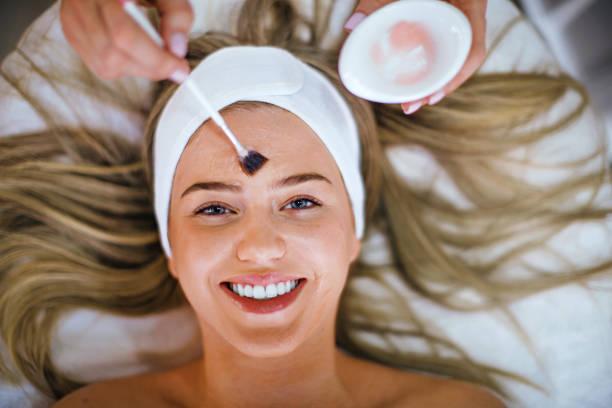
Application of the chemical solution evenly on the affected areas
-
Monitoring skin reaction to prevent over-exfoliation or irritation
-
Using neutralizers or cooling solutions to minimize discomfort
Patients may feel mild tingling or warmth, which varies depending on peel strength and skin sensitivity.
Post-Peel Care for Acne and Scarring:
Aftercare is crucial for achieving the best results and avoiding complications. Dermatologists recommend:
-
Avoiding direct sun exposure and using high-quality sunscreen daily
-
Applying gentle, non-irritating moisturizers to support healing
-
Refraining from picking, scratching, or exfoliating peeling skin
-
Staying hydrated to promote recovery and maintain skin barrier health
Recovery time depends on the peel type, with superficial peels requiring minimal downtime and medium peels needing several days of careful care.
Benefits of Chemical Peels for Acne and Scarring:
Chemical peels provide multiple benefits beyond immediate exfoliation. These include:
-
Reduced active breakouts and clearer skin
-
Fading of post-inflammatory hyperpigmentation and acne marks
-
Smoother skin texture and improved firmness
-
Stimulation of collagen production for long-term scar improvement
-
Enhanced absorption of topical treatments for sustained acne control
The combination of acne prevention and scar reduction makes chemical peels a powerful tool for skin transformation.
Managing Risks and Safety Considerations:
While chemical peels are generally safe, selecting the right type for your skin and following professional guidance is crucial. Dermatologists caution:
-
Temporary redness, peeling, or mild irritation may occur
-
Rare risks include hyperpigmentation, infection, or scarring with inappropriate peel use
-
Avoiding aggressive at-home peels ensures safety and protects sensitive skin
Seeking professional Chemical Peels Riyadh services ensures proper assessment, safe application, and optimal outcomes.
Combining Chemical Peels with Other Treatments:
For more significant acne and scarring concerns, dermatologists may recommend combining peels with complementary treatments. Examples include:
-
Microneedling or laser therapy for deeper or stubborn scars
-
Prescription acne medications to maintain results
-
Personalized skincare routines with moisturizers, antioxidants, and sun protection
A combined approach enhances both immediate and long-term improvements in skin health and appearance.
Frequency and Maintenance:
The frequency of chemical peels depends on skin type, acne severity, and treatment goals. Dermatologists recommend:
-
Superficial peels every 2–4 weeks for gradual acne control and texture improvement
-
Medium peels every 4–6 months for more pronounced scar reduction
-
Regular follow-ups to adjust treatment plans and maintain long-term skin health
Consistent maintenance ensures that improvements are sustained and the skin remains resilient.
Final Thoughts
Chemical peels offer an effective, scientifically proven solution for managing acne and reducing scarring. By exfoliating the skin, controlling breakouts, and stimulating collagen production, these treatments provide both immediate and long-term benefits. Consulting a professional for Chemical Peels Riyadh ensures personalized care, safe application, and optimal results. With the right peel, proper preparation, and diligent aftercare, patients can achieve clearer, smoother, and healthier skin, transforming both appearance and confidence.



 Seenclassified
 Request Access

 Turkish
 English
 Arabic
 French
 Spanish
 Portuguese
 Deutsch
 Dutch
Dutch
 Italiano
 Russian
 Romaian
 Portuguese (Brazil)
 Greek
Greek