


 Seenclassified
 Request Access
How to Talk to Your Kids About Charity
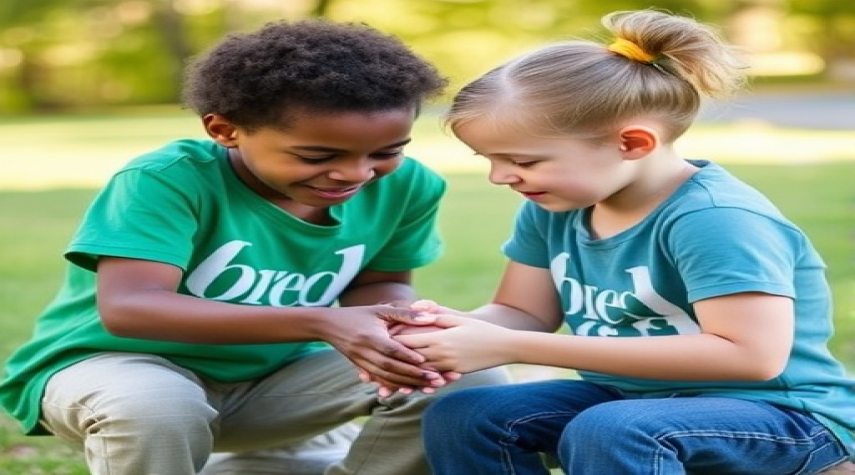
Raising compassionate and socially conscious children starts with simple, meaningful conversations—especially about charity. Helping your kids understand the importance of giving back can shape their values for life. But how do you begin this conversation in a way that resonates?
1. Start with the “Why”
Begin by explaining what charity means and why it’s important. Use age-appropriate language. For young kids, say something like, “Charity means helping people who need it.” For older children, you can expand: “Charity helps make the world a better place by supporting those in need, like people who don’t have food, homes, or clean water.”
Link it to empathy: “How would you feel if you were hungry and someone shared their lunch?” This encourages your child to see the world through others’ eyes.
2. Lead by Example
Children learn more from what you do than what you say. If they see you donating clothes, volunteering, or supporting a cause, they’re more likely to follow suit. Let them be involved: take them with you to a donation drop-off, or let them help pick out toys to donate during the holidays. These actions create a natural path to discuss why giving is important.
3. Make It Relatable
Talk about causes that connect with your child’s interests. If they love animals, talk about how shelters need food and blankets. If they enjoy school, explain how some children around the world don’t have access to education. Connecting charity to their world makes it more real and engaging.
4. Encourage Participation
Get your kids involved in giving. Help them set aside a portion of their allowance for donations. Participate in charity walks, food drives, or community cleanups as a family. When children actively contribute, they feel empowered and proud of their impact.
5. Keep the Conversation Going
Charity isn’t a one-time talk—it’s a lifelong lesson. Continue bringing up charitable acts and values in everyday life. Celebrate their generosity and reflect on how their actions made a difference. Ask questions like, “How did it feel to help someone today?”
Final Thought:
By teaching your kids about charity early on, you're nurturing empathy, responsibility, and kindness. These lessons not only help others but also help your children grow into thoughtful and generous adults. It's never too early—or too late—to start the conversation.
Visit: willinggivers

Invest in Luxury
Access curated opportunities across luxury assets, private markets, and alternative investments designed for long-term value creation and portfolio diversification.
Explore Opportunities
Private Cannabis Investing
The global cannabis market is expected to grow rapidly in the coming years. With this growth, investing with TheSeattleCannabis can be a smart move for those looking to diversify their portfolio. .
View Opportunities English
 Arabic
 French
 Spanish
 Portuguese
 Deutsch
 Turkish
 Dutch
Dutch
 Italiano
 Russian
 Romaian
 Portuguese (Brazil)
 Greek
Greek