


 Seenclassified
 Request Access
How to Start an NPO in India: A Step-by-Step Guide?
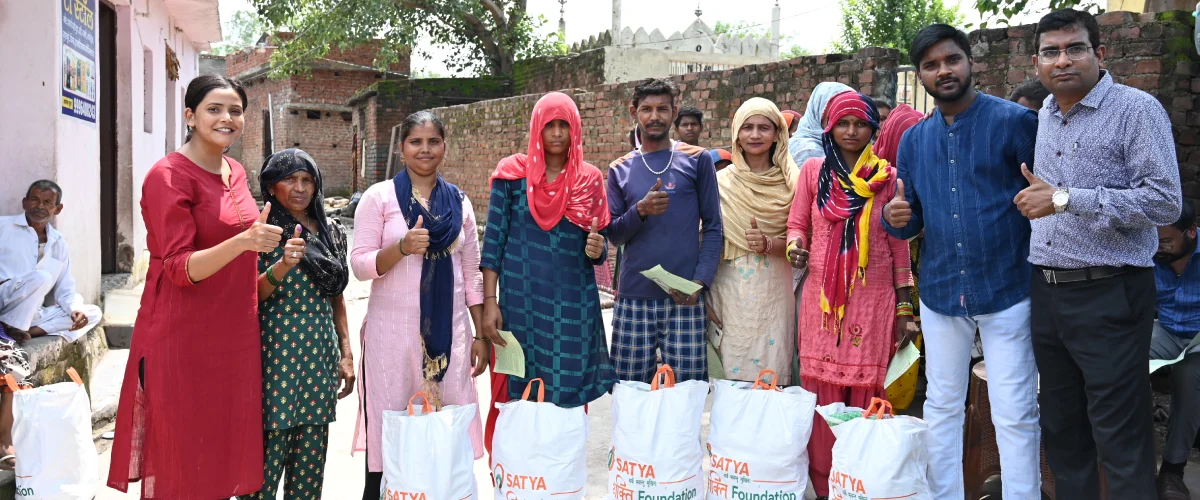
Starting a nonprofit organization (NPO) in India is an admirable way to make a positive impact on society. Whether your goal is to provide education, healthcare, environmental support, or social welfare, establishing an NPO requires careful planning, legal compliance, and strategic execution. Unlike commercial businesses, NPOs are designed to operate without profit motives, focusing instead on serving the community. If you are passionate about creating social change, this step-by-step guide will help you understand how to start an NPO in India.
Step 1: Define Your Mission and Objectives
Before registering an NPO, clearly define the purpose and objectives of your organization. Consider the following:
-
Identify the social issue or cause your NPO will address.
-
Outline the target community or beneficiaries.
-
Set short-term and long-term goals.
-
Define measurable outcomes to track progress and impact.
Having a clear mission statement will guide your organizational strategy, attract donors, and establish credibility with stakeholders.
Step 2: Choose the Type of NPO
In India, you can establish an NPO under one of three main legal structures:
-
Trust:
-
Governed by the Indian Trusts Act, 1882.
-
Requires a settlor, trustees, and a trust deed.
-
Suitable for charitable activities with a long-term vision.
-
-
Society:
-
Registered under the Societies Registration Act, 1860.
-
Requires a minimum of seven members.
-
Ideal for organizations promoting education, culture, or social welfare.
-
-
Section 8 Company (Nonprofit Company):
-
Registered under the Companies Act, 2013.
-
Must have a minimum of two directors and shareholders.
-
Suitable for NPOs that require robust governance and scalability.
-
Each structure has its benefits and legal implications, so choose the one that aligns with your objectives and operations.
Step 3: Prepare a Governing Document
Depending on the structure chosen, you will need:
-
Trust Deed (for trusts)
-
Memorandum of Association (MOA) and Rules & Regulations (for societies)
-
Articles of Association (AOA) and MOA (for Section 8 companies)
These documents should include:
-
Name of the organization
-
Objectives and purpose
-
Details of trustees/directors/members
-
Governance rules and management structure
-
Financial policies and audit procedures
Ensure these documents comply with legal requirements and clearly define roles, responsibilities, and decision-making processes.
Step 4: Register Your NPO
Trust Registration:
-
Draft a trust deed on non-judicial stamp paper.
-
Submit the deed to the local Registrar along with necessary documents.
-
Pay the registration fee as per state regulations.
Society Registration:
-
Prepare the MOA and Rules & Regulations.
-
Submit documents to the Registrar of Societies in your state.
-
Obtain a Certificate of Registration.
Section 8 Company Registration:
-
Apply to the Ministry of Corporate Affairs (MCA) for name approval.
-
Submit incorporation documents including MOA, AOA, and declarations of directors.
-
Obtain a Certificate of Incorporation from MCA.
Registration formalizes the legal status of your NPO and allows it to operate officially.
Step 5: Apply for Tax Exemptions
NPOs in India can benefit from tax exemptions under the Income Tax Act. Some important considerations:
-
Section 12A Registration: Grants tax exemption on income of the NPO.
-
Section 80G Registration: Allows donors to claim tax deductions for contributions.
-
FCRA Registration: Required for receiving foreign funding.
Ensure compliance with these provisions to maximize benefits and maintain transparency with donors.
Step 6: Open a Bank Account
After registration, open a bank account in the name of the NPO in India. Requirements typically include:
-
Certificate of registration
-
PAN card of the NPO
-
Trustee or director identification documents
-
Board resolution authorizing account opening
A dedicated bank account ensures financial transparency and simplifies accounting.
Step 7: Plan Fundraising and Resource Mobilization
An NPO’s sustainability depends on funding. Some common strategies include:
-
Donations from individuals and corporates
-
Grants from government and international agencies
-
Crowdfunding campaigns
-
Membership fees
-
Organizing fundraising events
Transparent accounting and reporting help build trust among donors and supporters.
Step 8: Set Up Governance and Operational Framework
A strong governance framework ensures accountability and smooth operations. Steps include:
-
Forming a board of trustees/directors with diverse expertise
-
Defining roles and responsibilities clearly
-
Establishing financial management and audit processes
-
Setting up monitoring and evaluation mechanisms for programs
Good governance enhances credibility and attracts long-term support.
Step 9: Build Awareness and Promote Your NPO
Once operational, create visibility for your organization:
-
Develop a website and social media presence
-
Engage with local communities and stakeholders
-
Collaborate with other NGOs and corporates
-
Share impact stories, achievements, and updates regularly
Effective communication helps build trust and encourages donations, partnerships, and volunteer participation.
Step 10: Maintain Compliance and Reporting
Compliance is critical for legal and operational sustainability. Ensure:
-
Annual filing of financial statements and audits
-
Submission of annual reports to regulatory authorities
-
Renewal of licenses and registrations as required
-
Adherence to fundraising and tax regulations
Regular compliance enhances credibility and maintains the NPO’s tax-exempt status.
Conclusion
Starting an NPO in India is a structured process that requires careful planning, legal compliance, and strategic execution. By defining a clear mission, choosing the right legal structure, registering properly, and focusing on governance, funding, and visibility, your NPO can create a meaningful impact on society.
With dedication and systematic management, your nonprofit organization can not only serve communities effectively but also attract donors, volunteers, and partners, ensuring long-term sustainability and growth. For anyone passionate about social change, establishing an NPO in India is a powerful way to turn your vision into reality.
Invest in Luxury
Access curated opportunities across luxury assets, private markets, and alternative investments designed for long-term value creation and portfolio diversification.
Explore Opportunities
Private Cannabis Investing
The global cannabis market is expected to grow rapidly in the coming years. With this growth, investing with TheSeattleCannabis can be a smart move for those looking to diversify their portfolio. .
View Opportunities
 English
 Arabic
 Spanish
 Portuguese
 Deutsch
 Turkish
 Dutch
Dutch
 Italiano
 Russian
 Romaian
 Portuguese (Brazil)
 Greek
Greek