


 Seenclassified
 Request Access
How to Train Your Cat: Essential Tips for a Happy, Well-Behaved Feline
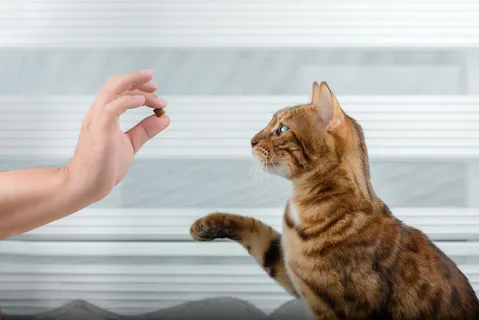
Training a cat may seem like a challenge to many pet owners, but with the right techniques and consistency, anyone can learn How to Train Your Cat effectively. Cats are intelligent, curious, and quick learners when motivation and methods match their natural instincts. Whether you want to teach basic commands, solve unwanted behaviors, or strengthen your bond, successful cat training builds trust and enriches both your lives.
Why Cat Training Matters
Cats may not take to training the way dogs do, but they benefit tremendously from guidance, structure, and positive reinforcement. Training:
-
Reduces stress and anxiety
-
Prevents behavior problems
-
Strengthens human-animal relationships
-
Helps teach boundaries and expectations
-
Makes daily care routines easier
Because cats are naturally independent, training must respect their pace and personality. Using gentle methods and rewards encourages cooperation, not fear.
Understanding How Cats Think
To train your cat well, it helps to understand a bit about feline psychology:
Cats Are Motivated by Rewards
Unlike pack animals, cats work for personal benefit — food, play, or affection. Reward-based training works best because cats associate action with a positive outcome.
Punishment Doesn’t Work Well
Scolding, yelling, or physical corrections often backfire. Cats may shut down, hide, or become fearful. Training should always be gentle, consistent, and rewarding.
Short Sessions Are More Effective
Cats learn in short bursts. Training sessions of 2–5 minutes several times a day produce better results than long, tiring sessions.
Basic Training Techniques
1. Use Positive Reinforcement
Reward desired behavior immediately with treats, petting, or verbal praise. Timing matters — rewards must happen right after the action so your cat links them together.
2. Clicker Training for Cats
A clicker makes a distinct sound that tells your cat “yes, that’s right!” Pair the click with a treat during training. Eventually, the click becomes its own reward marker.
3. Lure and Reward
Use a treat to guide your cat into the needed position — for example, touching a target or sitting on command. As soon as the cat performs the action, give the treat.
Training Commands Every Cat Should Learn
Sit
Teaching “sit” helps your cat stay calm and focused. Hold a treat above their nose, then slowly pull it back over their head. As they naturally sit, mark and reward.
Come When Called
Training your cat to come can be lifesaving. Use a high-value treat or favorite toy, call their name enthusiastically, then reward when they approach you.
Stay or Wait
Use a hand signal or verbal cue to teach your cat to pause. Start with very short durations and gradually increase as your cat learns.
Target Training
Target training teaches your cat to touch a specific point (like a stick or your hand). This skill is foundational for other tricks and helps improve focus.
Addressing Common Behavior Problems
Litter Box Issues
If your cat avoids the litter box, first rule out medical causes. Then:
-
Provide enough boxes: one per cat plus one extra
-
Place boxes in quiet, accessible areas
-
Use unscented, clumping litter
-
Clean boxes daily
Training patience and routine helps avoid accidents elsewhere.
Scratching Furniture
Cats scratch to mark territory and keep claws in good shape. Offer scratching posts and pads in areas they like to scratch and reward them for using them. Cover furniture with protective strips or double-sided tape during retraining.
Biting and Rough Play
Redirect biting or rough play with toys, not hands. Teach gentle play by stopping interaction the moment biting occurs, then offering a toy instead.
Socializing Your Cat
Socialization improves behavior and builds confidence. Introduce your cat to new people, other pets, and environments gradually and positively. Reward calm behavior and avoid forcing interactions.
Play therapy — with wands, lasers, and interactive toys — helps burn energy and reduces stress, aggression, and unwanted behaviors.
Training Older Cats
Yes, you can train older cats. They often learn quicker than kittens because they understand their environment more. Just be patient, use tasty rewards, and respect their pace.
Using Clickers and Treats Wisely
Treats are powerful tools, but they should be used in moderation. Choose healthy, small rewards and balance them with your cat’s daily food intake to avoid weight gain. Clickers should only mark correct behavior — not replace praise or affection.
Tips for Long-Term Success
-
Be consistent: Use the same cues and rewards every time
-
Be patient: Progress may be slow; celebrate small wins
-
Train daily: Frequent, short sessions work best
-
Avoid punishment: Focus on reinforcing what you want, not scolding what you don’t want
-
Make training fun: Treat training as play and bonding time
When to Seek Professional Help
Some cats develop deeply rooted behaviors due to stress, fear, or trauma. If behavior problems persist despite training, consider consulting a veterinarian or certified animal behaviorist.
Final Thoughts
Understanding How to Train Your Cat transforms your relationship from simple caregiving to partnership. With positive reinforcement, patience, and engaging methods tailored to your cat’s personality, training becomes a rewarding experience for both of you. From basic commands and litter habits to addressing problem behaviors, consistent training enriches your cat’s life and reinforces trust.
Training your cat also supports emotional well-being — making your home a calmer, happier place for everyone. For more expert tips on feline behavior, training strategies, and caring techniques, be sure to explore the helpful resources at Focus Pet Care.
Invest in Luxury
Access curated opportunities across luxury assets, private markets, and alternative investments designed for long-term value creation and portfolio diversification.
Explore Opportunities
Private Cannabis Investing
The global cannabis market is expected to grow rapidly in the coming years. With this growth, investing with TheSeattleCannabis can be a smart move for those looking to diversify their portfolio. .
View Opportunities Romaian
 English
 Arabic
 French
 Spanish
 Portuguese
 Deutsch
 Turkish
 Dutch
Dutch
 Italiano
 Russian
 Portuguese (Brazil)
 Greek
Greek